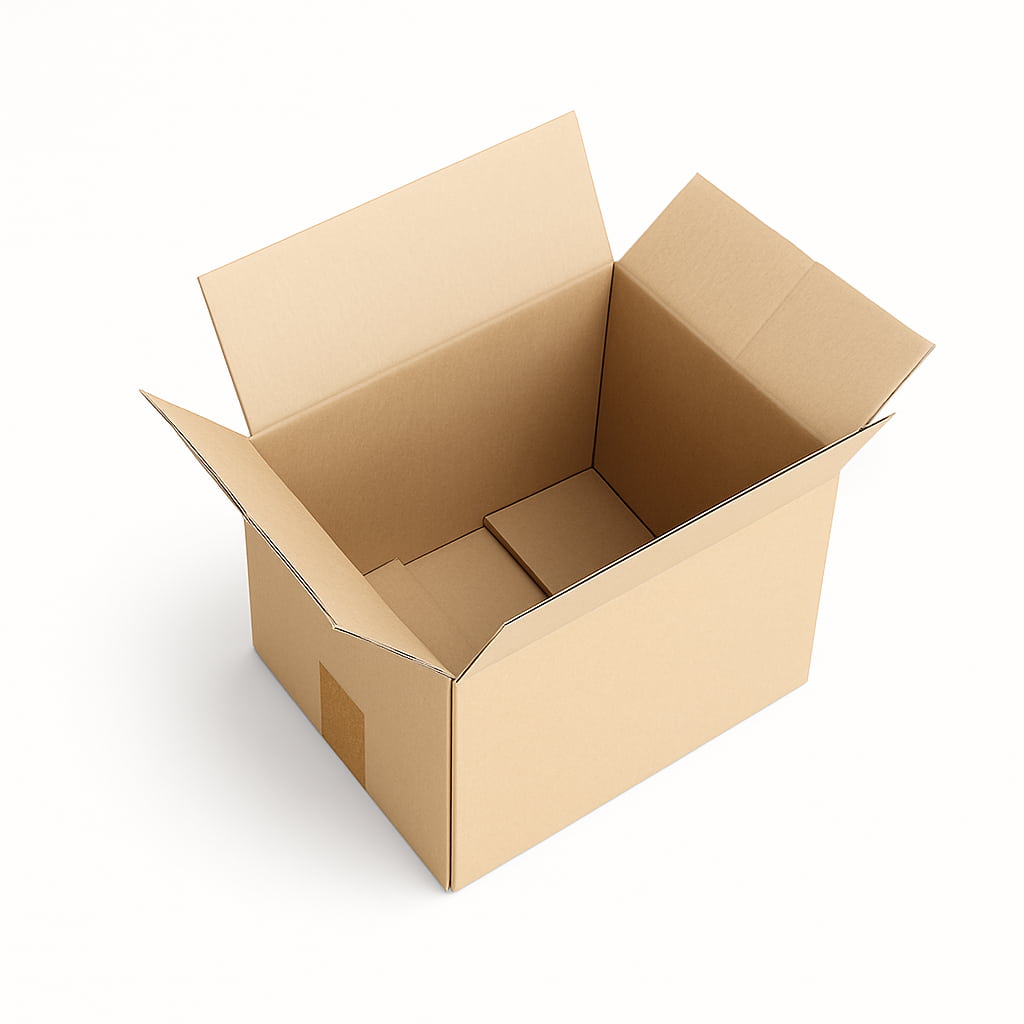
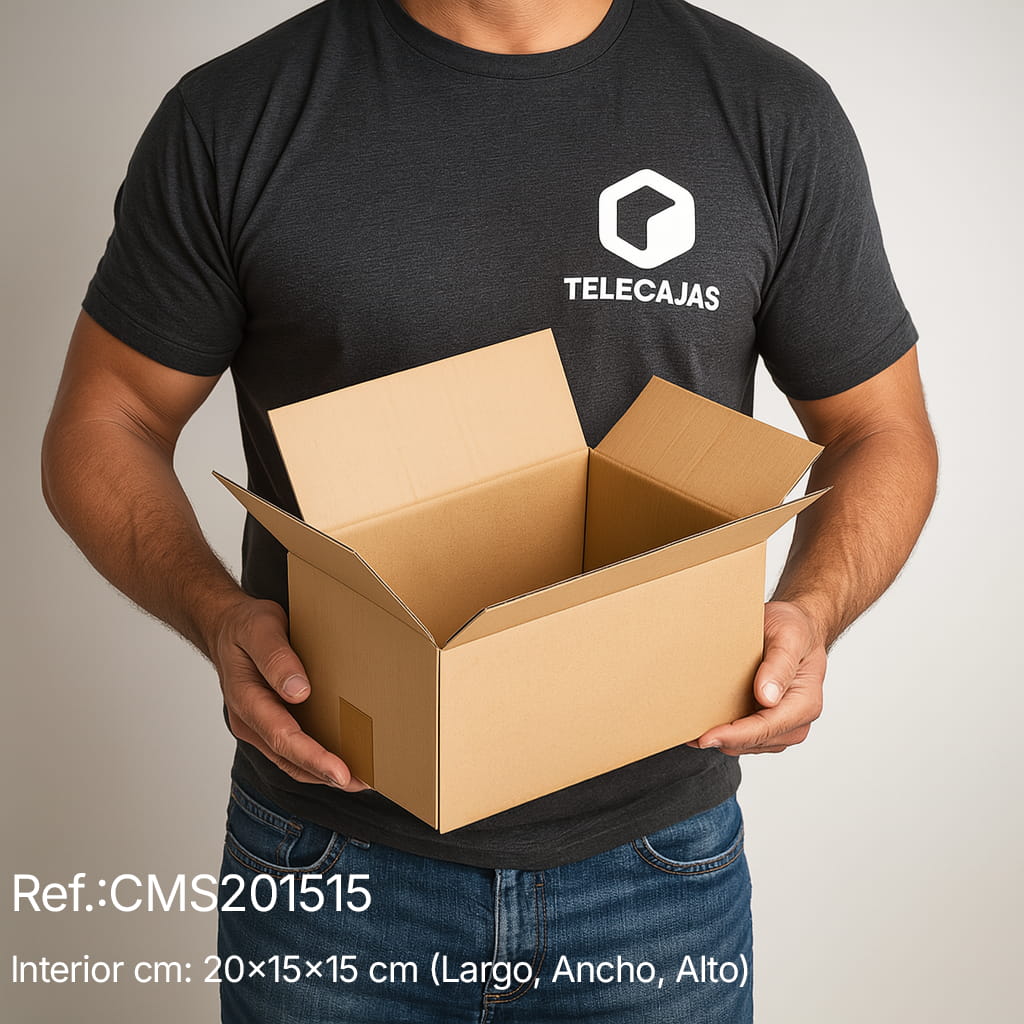
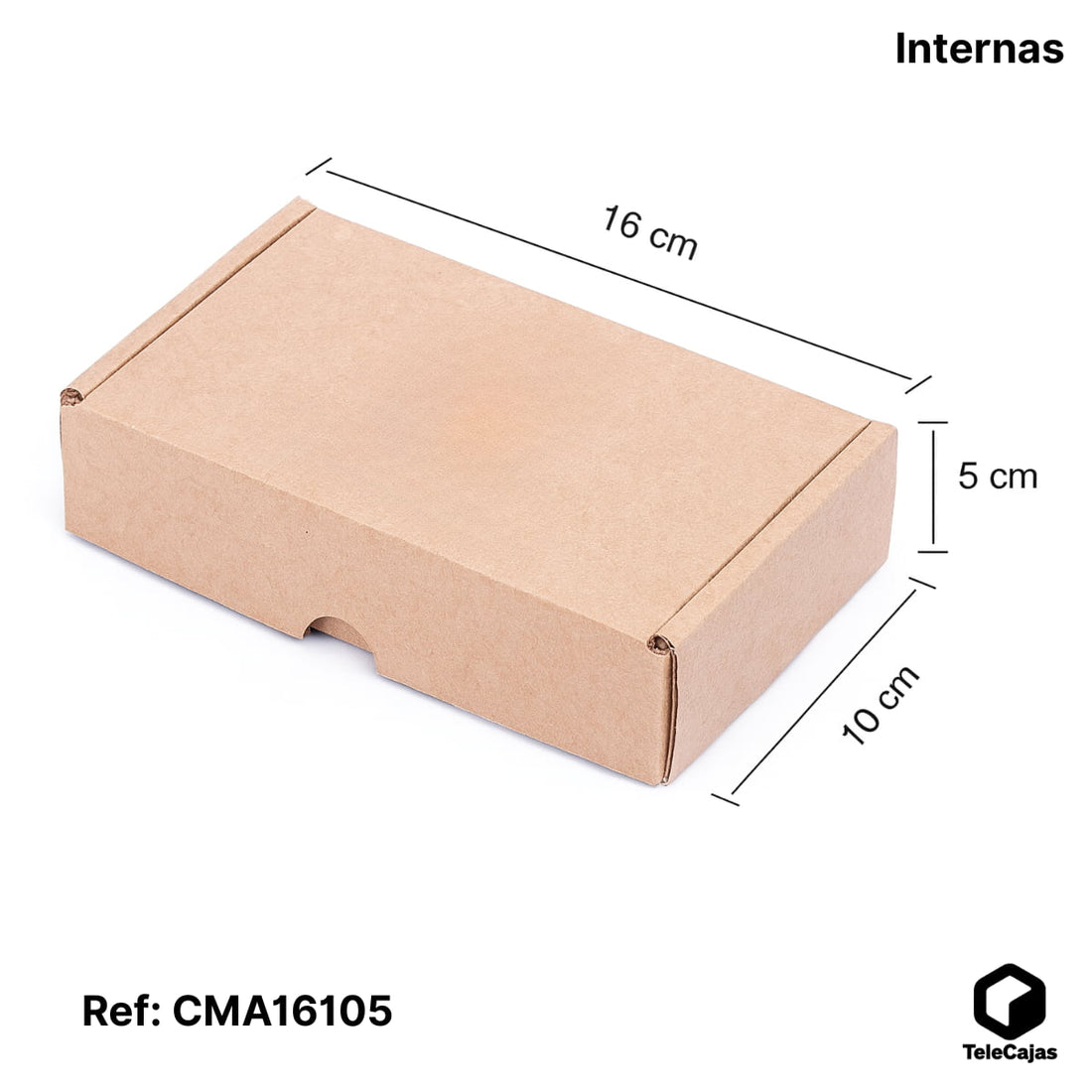
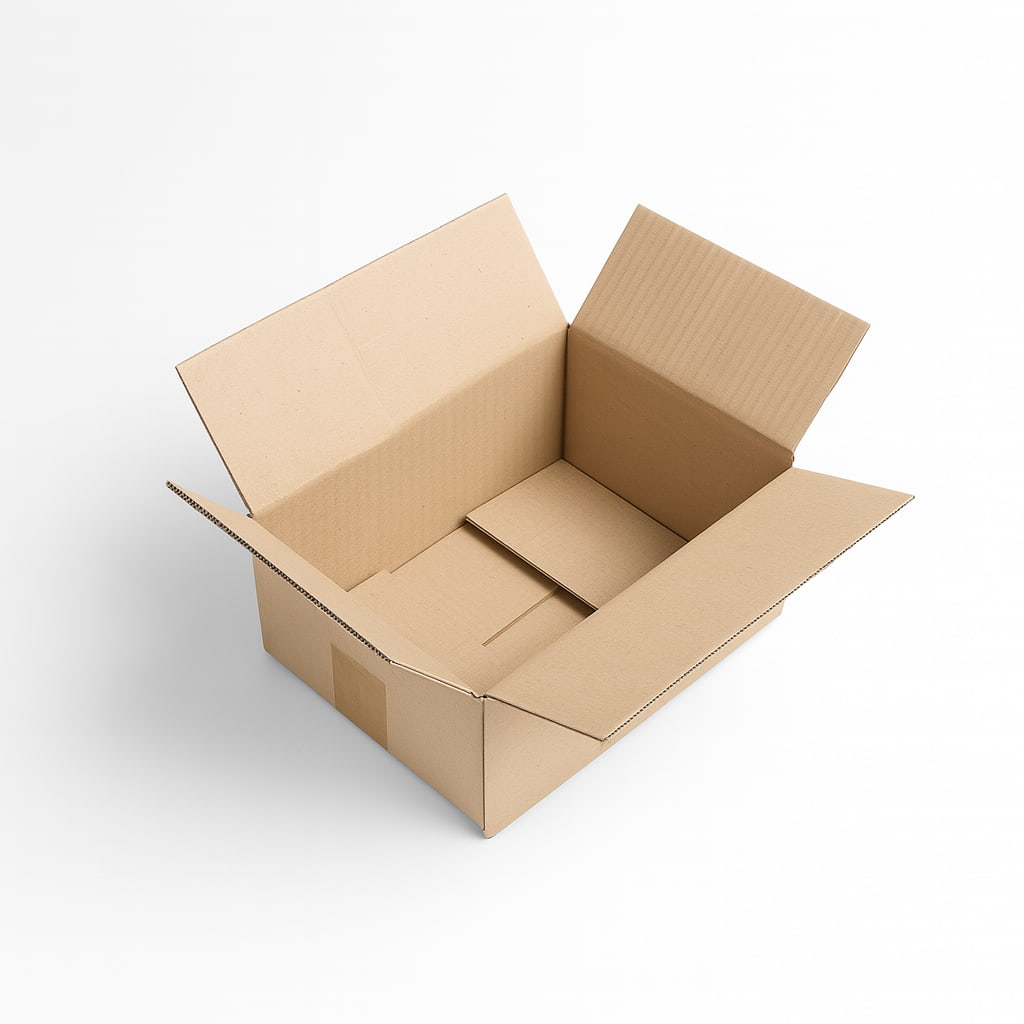
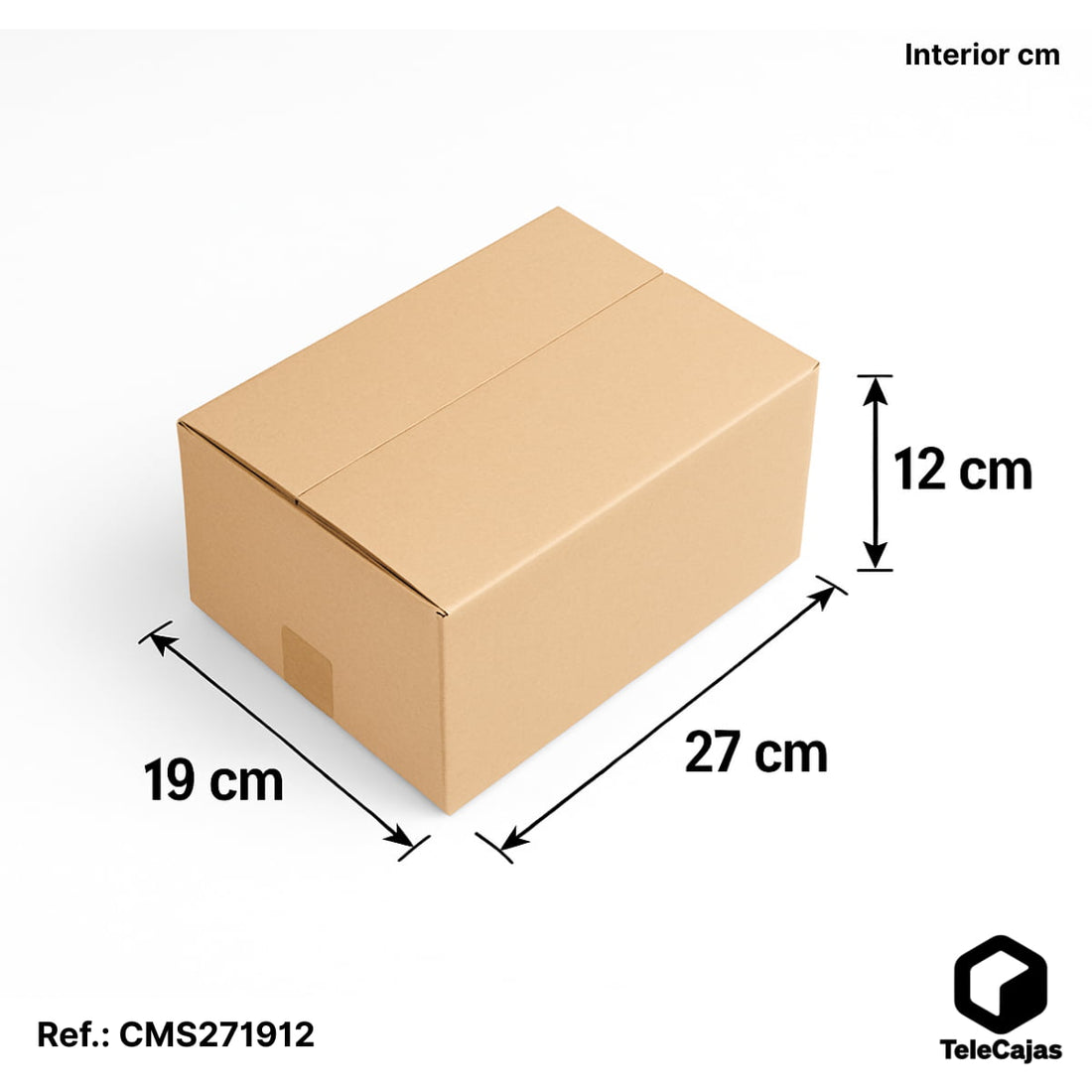
To know how many boxes fit in a storage unit, don't divide cubic meters: divide the length of the unit by the length of the box, the width by the width, and the height by the height, rounding down, and multiply the three results.
Introduction: Real-Life Tetris
Have you ever found yourself surrounded by boxes, trying to eyeball what size storage unit you need? What seems like a simple task turns into a three-dimensional puzzle. A poorly placed box can mean wasted time, frustration, and misspent money. Some people end up paying for space they don't use, while others come up short and have to empty everything out just to find one thing.
In this guide, we show you how to accurately calculate space, avoid common mistakes, and make the most of every cubic centimeter of your storage unit, warehouse, or self-storage locker.

1. Volume is Deceiving: Why Dividing Cubic Meters Doesn't Work
The most common mistake is assuming that volume can be divided freely. In logistics, this is called "dead space"—that is, the gaps left between objects that don't fit well together.
Imagine placing 2 × 2 meter boxes in a 5 × 5 meter storage unit. Even though 25 ÷ 4 equals 6.25, in practice, only 4 boxes will fit (2 along the length and 2 along the width). The remaining space isn't enough to add another.
The correct way to calculate is by dimensions. Apply this formula:
Basic calculation:
-
Storage unit length ÷ box length = boxes along the length (round down)
-
Storage unit width ÷ box width = boxes along the width
-
Storage unit height ÷ box height = boxes stacked high
Total boxes = result 1 × result 2 × result 3
This method is more reliable, but it can be refined further. Professionals use shortcuts.

2. The Expert Shortcut: Reference Tables
If you use standard-sized boxes, you can save time with an estimation table. This is how quick calculations are done in logistics:
| Storage Unit Surface | Small boxes | Medium boxes | Large boxes |
|---|---|---|---|
| 1 m² | 25 | 20 - 25 | 9 |
| 2 m² | 50 | 40 - 50 | 18 |
| 3 m² | 75 | 75 - 90 | 27 |
| 5 m² | 125 | 120 - 150 | 45 |
| 10 m² | 250 | 200 - 250 | 90 |
Based on a height between 2.5 and 3 meters and efficient stacking.

3. Turn the Box! The Orientation Trick
Even when measuring correctly, you might not be making the most of the space. Why? Because you're placing all the boxes the same way.
Suppose you have a 5 × 5 × 5 m container and 1 × 1 × 2 m boxes. 50 will fit, but there will be a meter of height left over. If you rotate some boxes, you can fit 12 more.
This is a packing problem, and in logistics, specialized software like TOPS Pro, MaxLoad Pro, or Cape Pack is used to optimize it. At home, you don't need programs: just change the orientation, stack logically, and make use of the height.
4. You Aren't Renting Floor Space, You're Renting Volume
Another common mistake: thinking only in square meters. What you pay for is cubic space.
Keys to stacking well:
-
Disassemble furniture. It takes up much less space and fits better.
-
Solid base. Place mattresses, boards, and bed frames at the back to create a firm platform.
-
Uniform boxes. They make stable stacking easier and allow you to build higher.
-
Weight at the bottom. Avoid having heavy boxes crush lighter ones.

5. Don't Forget About Access Space
Filling a storage unit to the top without leaving room to move is a very common mistake.
Golden rule: leave 10-15% of the space free for aisles or access from the door. It isn't wasted space; it's your maneuvering area. Without it, any box at the back will require emptying half the unit.
Don't Guess, Calculate
Optimizing your storage unit isn't about intuition, but method. If you take real dimensions, box orientation, and access into account, you'll go from stacking by feel to organizing like a pro.
Ready to fill your storage unit without wasting a single centimeter?