Organized Chaos
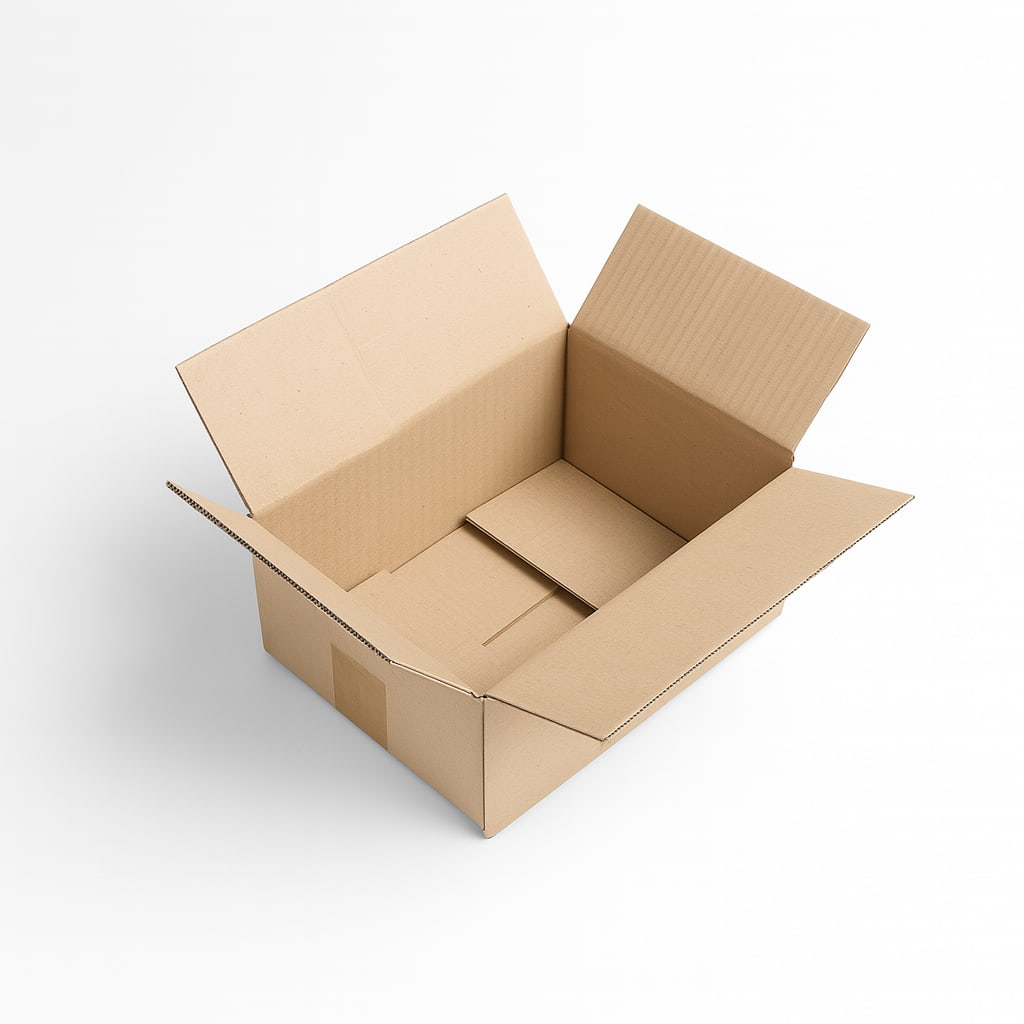
When the time comes to move house, it is normal for a feeling of panic to take over. The mere thought of packing a whole life into cardboard boxes for moving can generate considerable stress. Where to start? How many boxes do I need? Will I survive this chaos?
If you have ever felt this way, you are not alone. Moving has a bad reputation for good reason. But what if I told you that much of that anxiety stems from a series of common mistakes and myths that are repeated over and over? As a professional organizer, I have seen it all and I have learned the secrets that transform a chaotic move into a satisfying experience.
This guide will not only give you tricks; it will teach you to think like a professional, anticipating problems you didn't even know existed. Get ready to change your approach from "surviving the move" to "mastering the move".

Key Points: Secrets for a Happy Ending Move
1. You Always Underestimate How Much Stuff You Have
It is the number one and most universal mistake: looking at a room and thinking, "I'll pack this in ten boxes." The reality almost always doubles or triples that estimate. Our experience as professionals shows that most clients believe they will use 40 or 50 boxes, but in the end, it is usually more like 80 or 90.
I propose a quick experiment: sit in front of your kitchen or living room and estimate the boxes you would need. Now, open all the cabinets, drawers, and shelves. If you make an estimate again, you will see how your initial calculation fell very short.
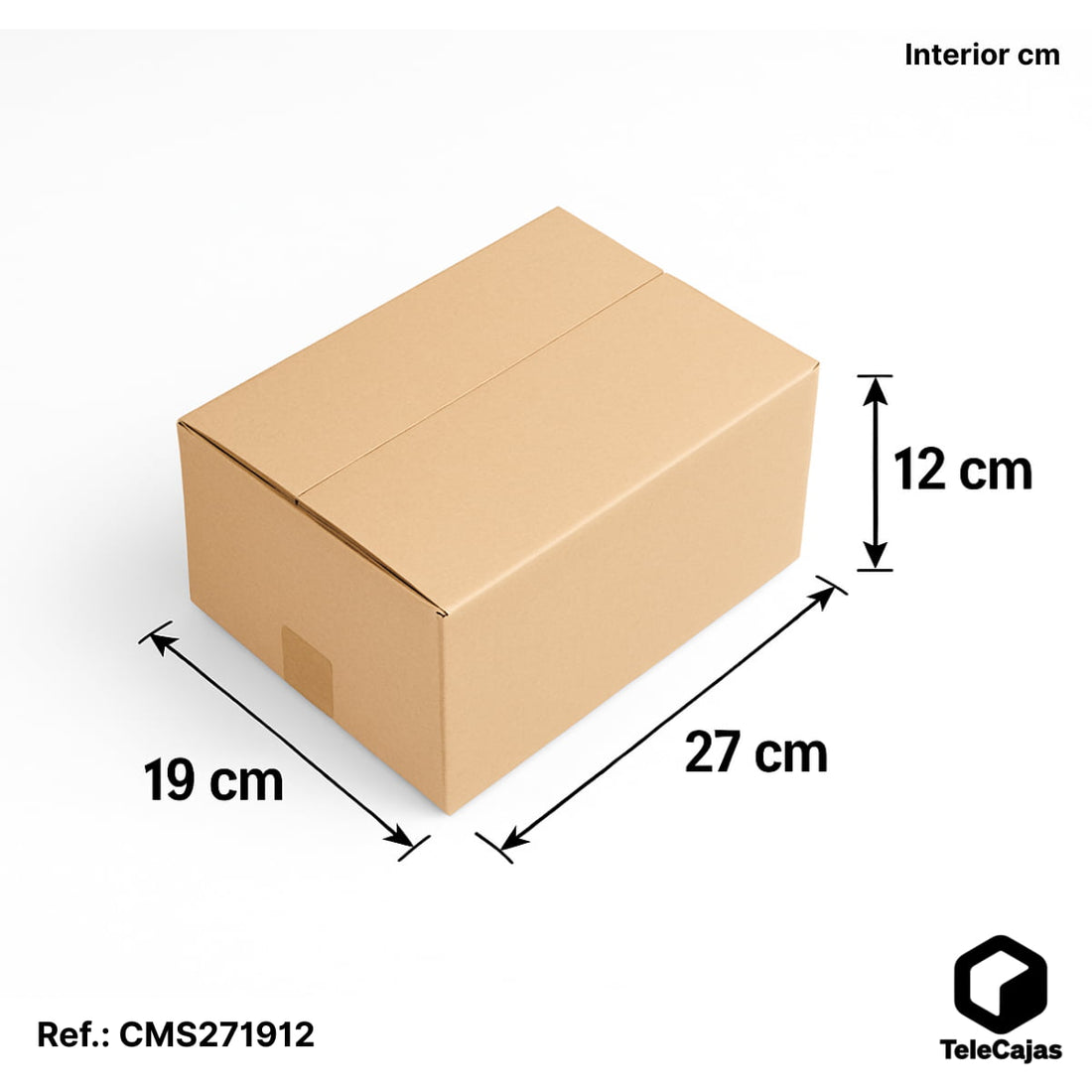
Professionals even have general rules for this. One of the most surprising comes from a moving company, where one box is calculated for every square meter of the home. Other industry rules, although less surprising, are also useful: some calculate half a box per square meter, while others estimate between 5 and 10 boxes per room. The truth is almost always somewhere in between, but they all point to the same thing: you need more than you think.
In Europe [...] it is averaged that you have one moving box per square meter of your apartment. My old apartment was 45 m², so they budgeted 45 boxes for me. [...] On my moving day, they kept asking where the rest of my things were and if I had a storage unit in the attic/basement (which I did – but it was empty).

2. You Are Packing Plates Incorrectly (and Dangerously)
How do you pack tableware? If your answer is "stacking the plates horizontally, like in the cupboard," you are making a mistake that can cost dearly. Although it seems logical, stacking plates flat drastically increases the risk of them breaking due to the weight and vibrations of transport.
The professional technique is counterintuitive but infinitely safer. Pay attention to this golden rule:
ATTENTION: Plates, serving platters, and salad bowls should be placed "on their edge" (vertically), not flat.
By placing them vertically, as if they were vinyl records in a box, the forces of bumps and vibrations are transmitted through the strongest axis of the plate, from edge to edge. Stacked flat, the weight of the entire pile is concentrated on the bottom plate, which can crack from a single impact.
3. Your Suitcases Are the Secret Weapon for the Heaviest Items
During a move, the greatest enemy to your back is not furniture, but a box full of books. Paper is incredibly heavy and its regular shape tempts us to fill boxes to the brim, creating packages that can exceed 30 or 40 kilos. The recommended maximum weight for a box is about 20 kilos to avoid serious injury.
This is where a great trick comes into play: use your suitcases with wheels. They are perfect containers for books: sturdy, spacious, and most importantly, they have wheels that make it easy to move such heavy loads effortlessly and without risk to your back.
And if you run out of suitcases, remember the golden rule for books: always use the smallest boxes you have. Filling a large box with books is a direct invitation to a back injury.
4. The Most Expensive Mistakes Happen Before and After Moving Day
We tend to focus so much on packing that we forget two crucial steps that occur outside of D-Day and can cause major inconveniences.
The first mistake is not setting up utilities (water, electricity, gas, and internet) in the new home in advance. Providers are usually slow and require paperwork that can take weeks. Arriving at your new home and discovering that you have no power or, worse, no internet, is a totally avoidable setback.
The second mistake is not unplugging appliances, like the refrigerator, at least 24 hours in advance. Especially in the case of the refrigerator, this allows the liquids and oils in the compressor to settle completely, preventing serious damage to the motor when it is moved or plugged back in.

5. Not All Boxes Work for Everything (and Trash Bags Are Good for Nothing)
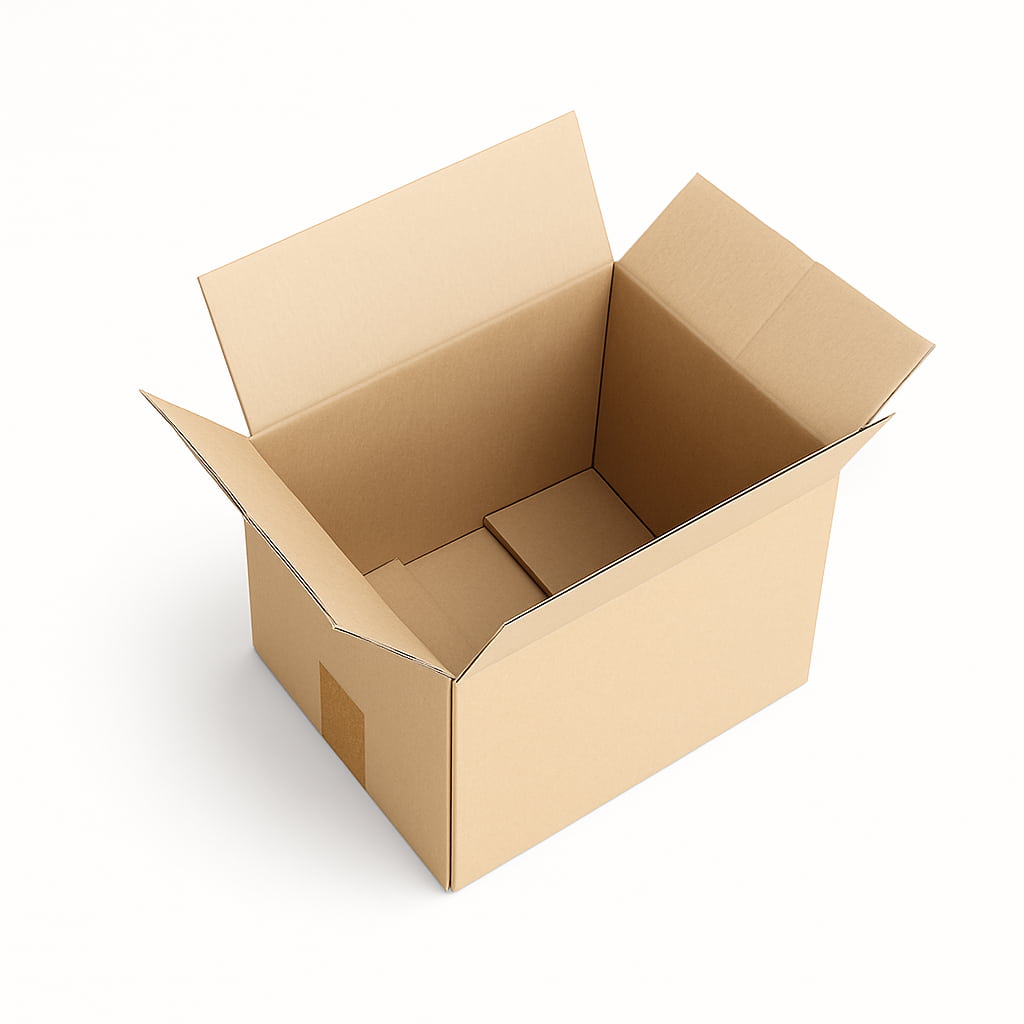
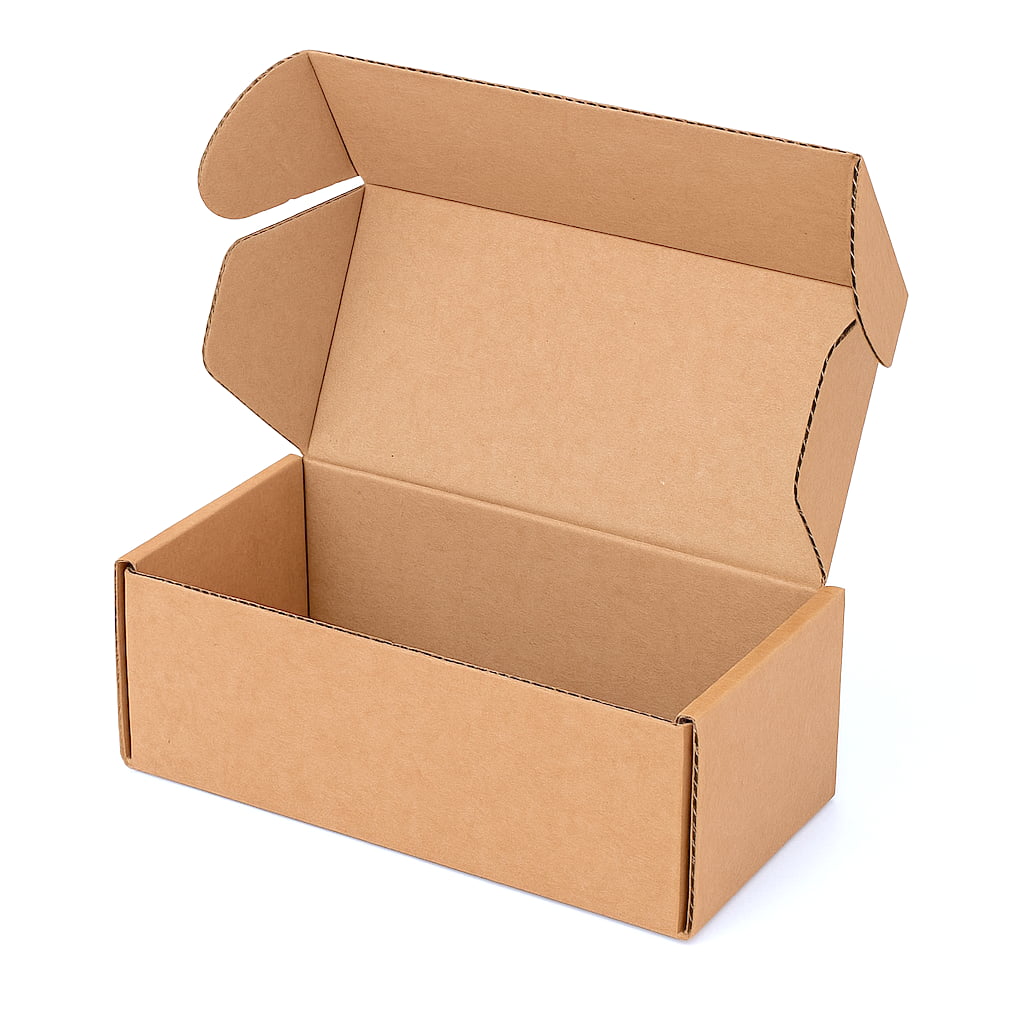
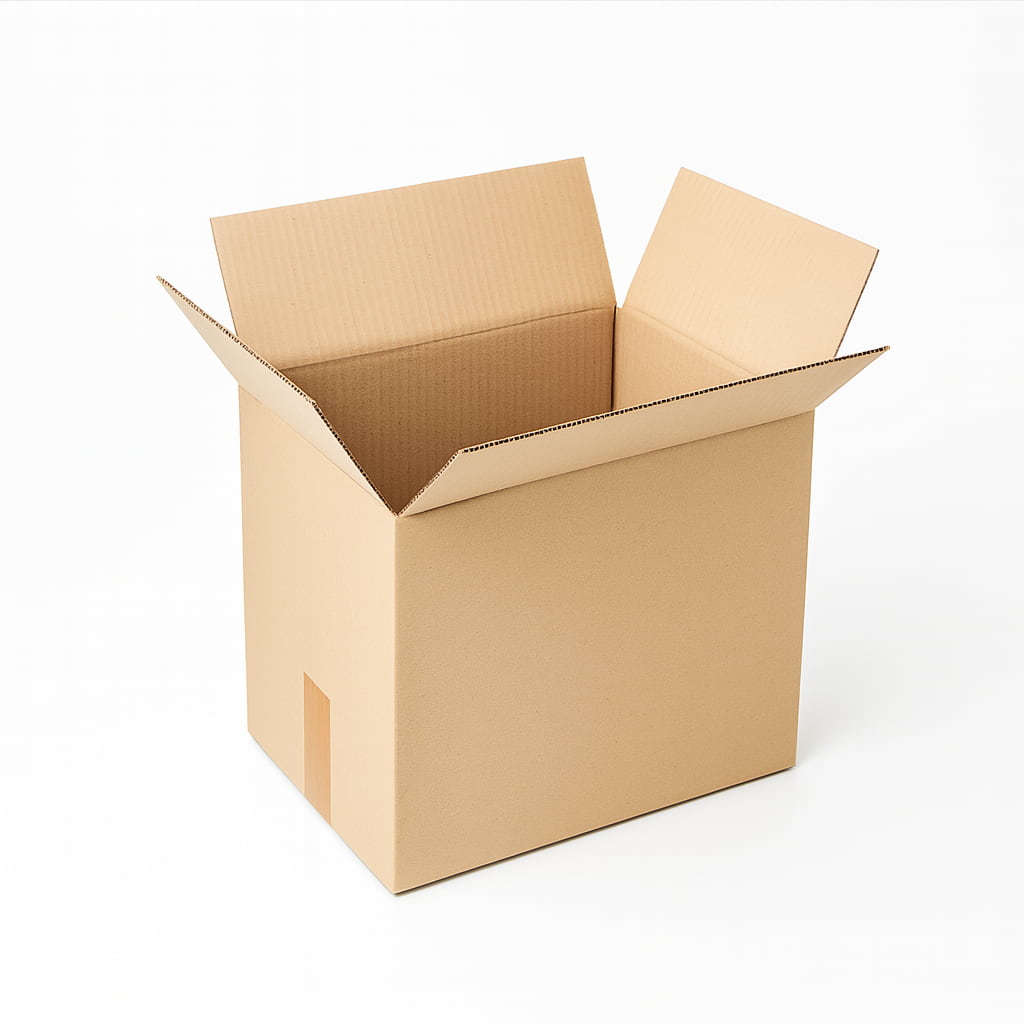
Thinking that "any box will do" is a mistake that leads to broken objects and wrinkled clothes. There are specialized boxes designed to protect your belongings optimally. The most important ones are:
- Wardrobe boxes: Tall boxes with a bar to hang clothes directly on their hangers. Ideal for suits, dresses, and shirts, preventing them from wrinkling.
- Boxes with dividers: They have internal cardboard divisions, perfect for transporting glasses, stemware, and other fragile glass objects without them knocking against each other.
- Double-wall reinforced boxes: These are essential for tableware, books, or any heavy or delicate object, as they better withstand the weight and cushion impacts.
There are even more specific solutions, such as telescopic boxes for televisions or security file boxes for documents, proving that there is perfect packaging for every object.
On the other hand, using trash bags is one of the worst ideas. They are not very resistant, do not protect against shocks, and can transmit odors to your belongings, especially clothing.

6. The "Survival" Box: Your Best Ally the First Night
After a long moving day, the last thing you want is to start opening dozens of boxes to find your pajamas, toothbrush, or phone charger. That is why professionals always prepare a "last-minute box" or survival box.
This box is prepared last and kept separate so it is the first to be opened. It contains everything essential that you will need immediately upon arriving at your new home: toiletries, a small first-aid kit, pajamas, chargers, some clothes for the next day, and any other object you consider essential. This way, you won't go crazy looking for the basics on the first night.
7. Choose Your Helpers Carefully: Both Friends and Professionals
The success of a move also depends on the people helping you. If you rely on friends and family, notify them of the exact date well in advance. A very common mistake is not confirming the day, and in the end, you find yourself alone with all the work because your friends already had other plans. And a pro tip: do something nice for them. Whether by covering their transportation costs or inviting them to the first dinner in your new home, thanking them for their help is fundamental.
If you decide to hire professionals, do your research. Run from those who advertise services with no apparent relationship, such as "painters, moving companies, and renovations." These types of profiles rarely offer guarantees and tend to disappear if you need to claim for any damage. Look for reviews from other clients and consider companies that have quality certificates, such as the ISO 9001 standard, for peace of mind.

Your Next Move, Your Best Move
As you have seen, a successful move is not a matter of luck, but of strategy and knowledge. Knowing these professional secrets gives you the power to anticipate problems, protect your belongings, and, above all, drastically reduce your stress level. The difference between a chaotic move and a controlled one is not in the effort, but in the strategy. Now you possess the strategy that the experts use.
Now that you know these secrets, what is the first thing you will do differently on your next move?
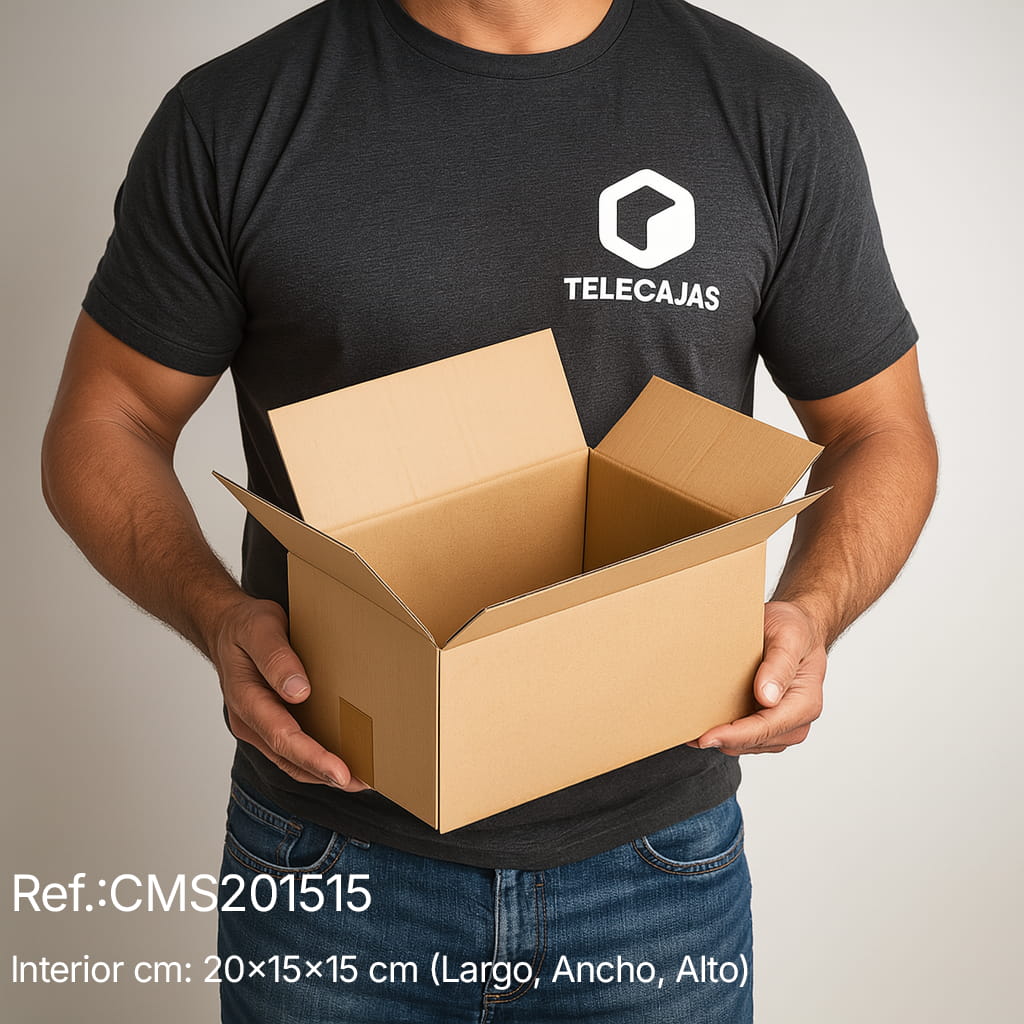
One thing is for sure: having the right boxes makes moving much more bearable. Take a look at the moving packs from TeleCajas — they include all the material you need based on the size of your home.
Are you really moving? Calculate how many boxes you need.