The Short Answer: Add Up Materials, Time, and Spoilage Per Order
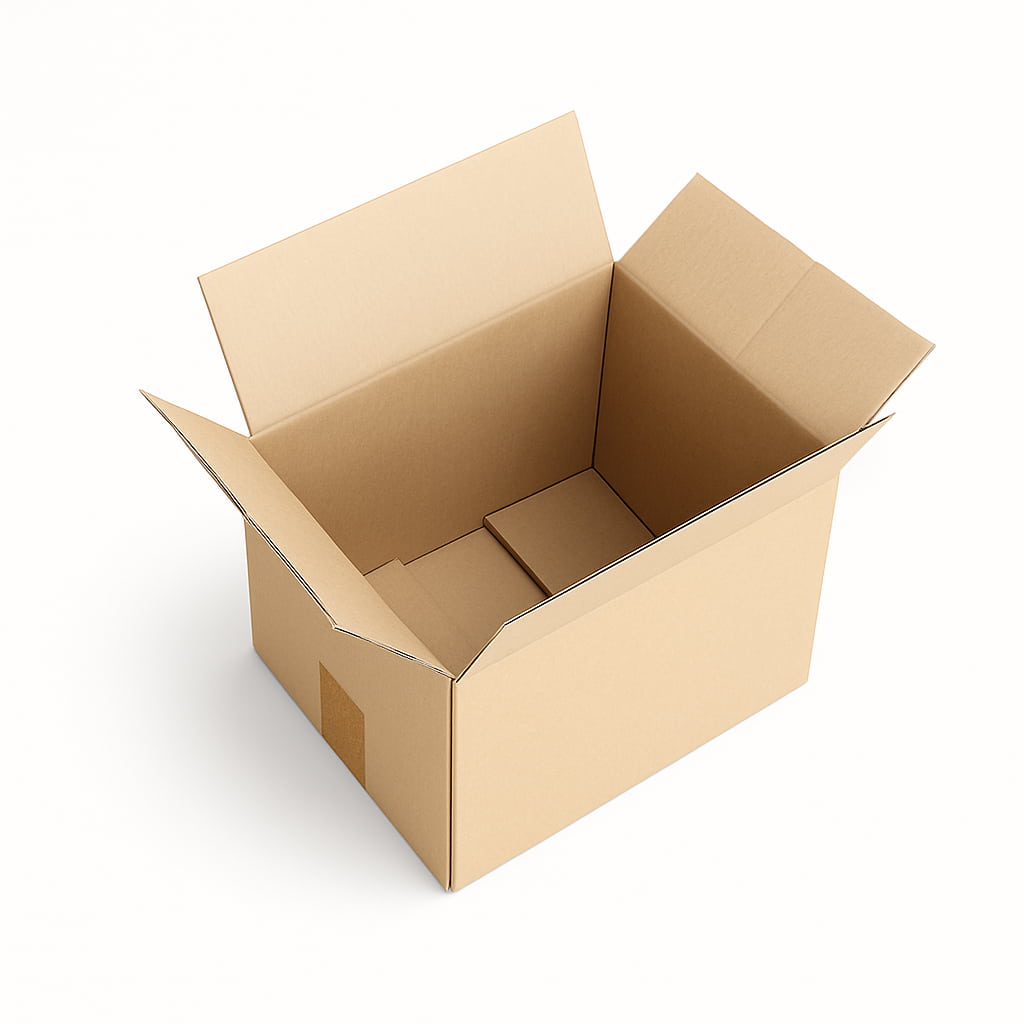
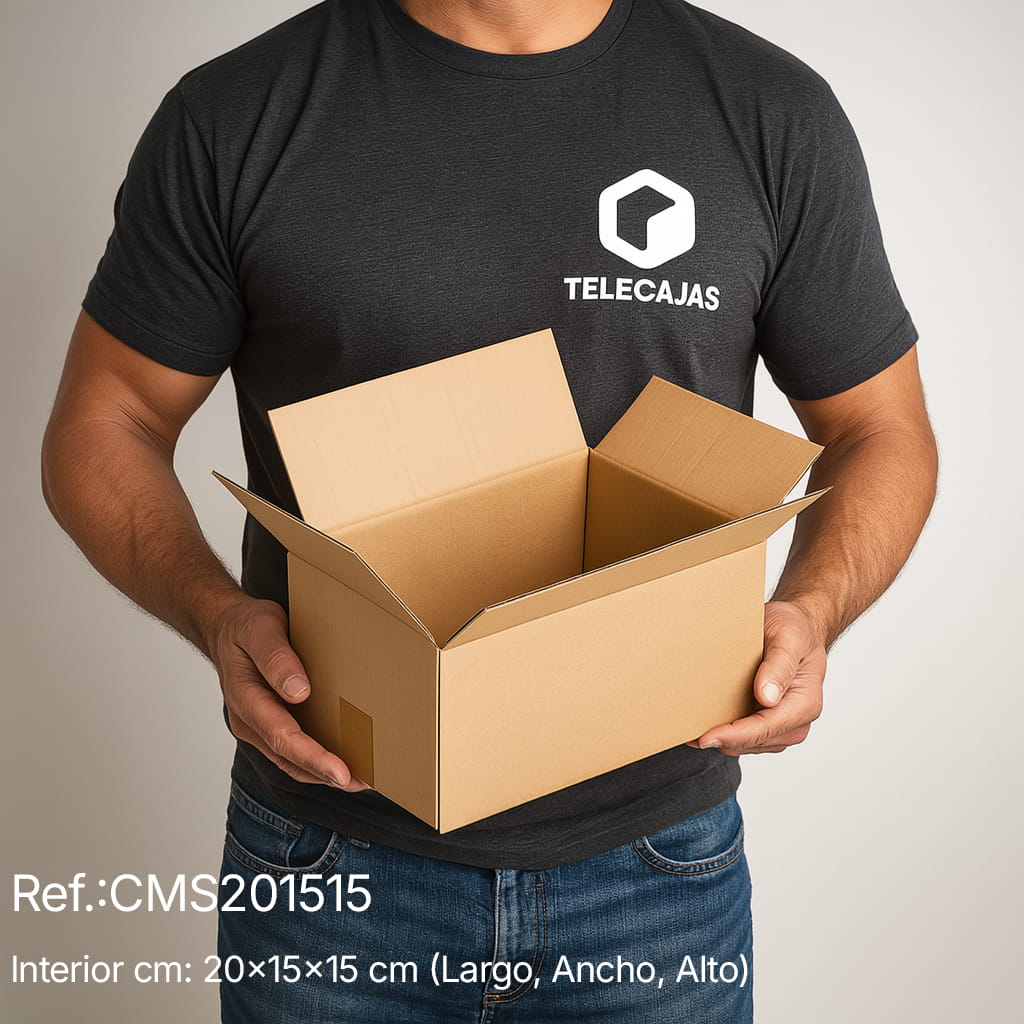
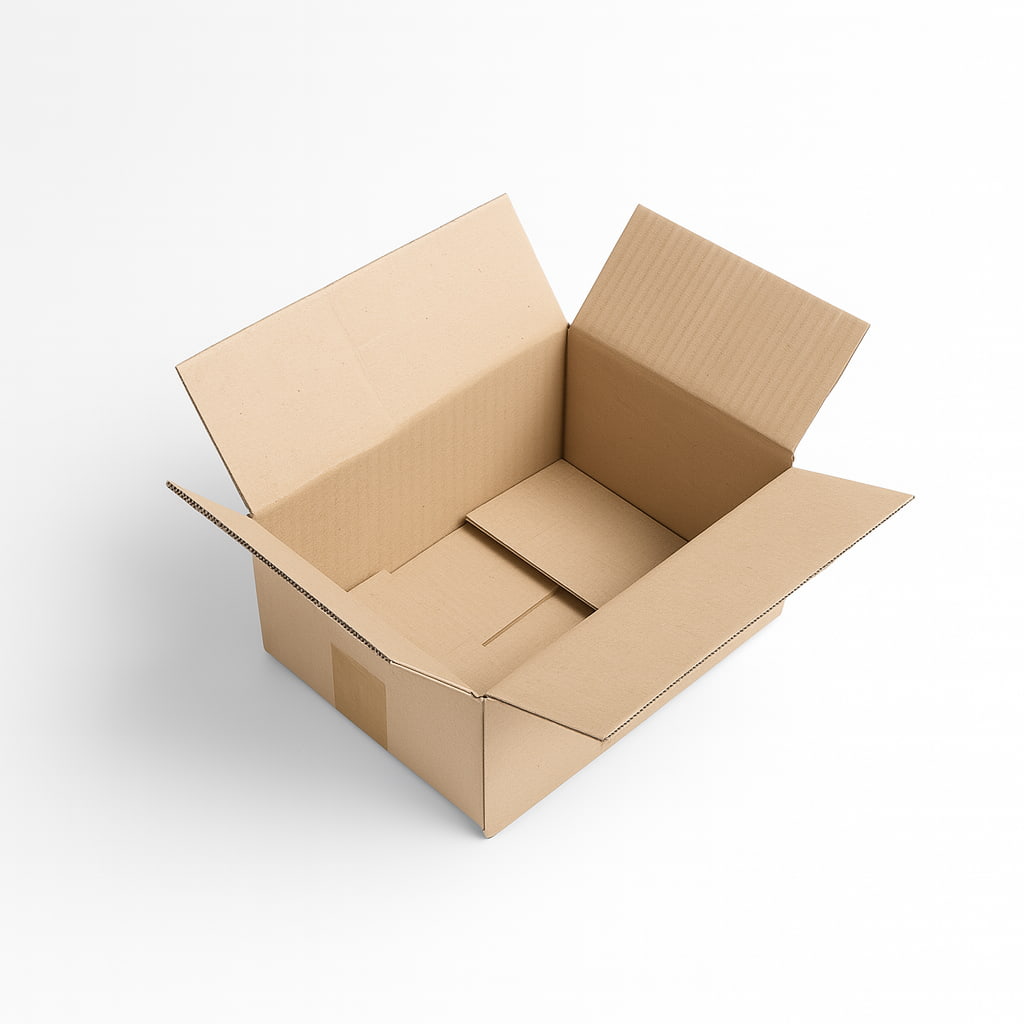
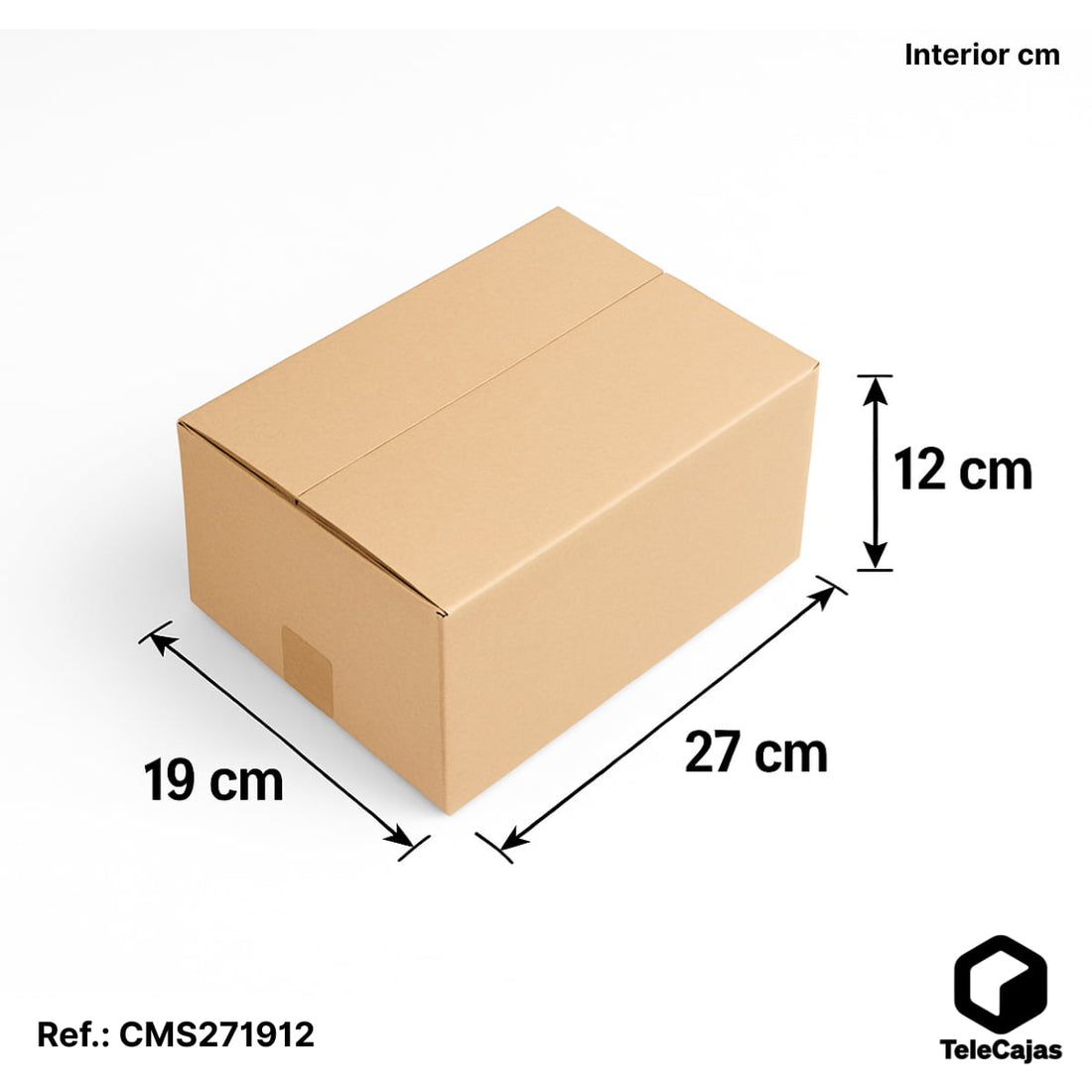
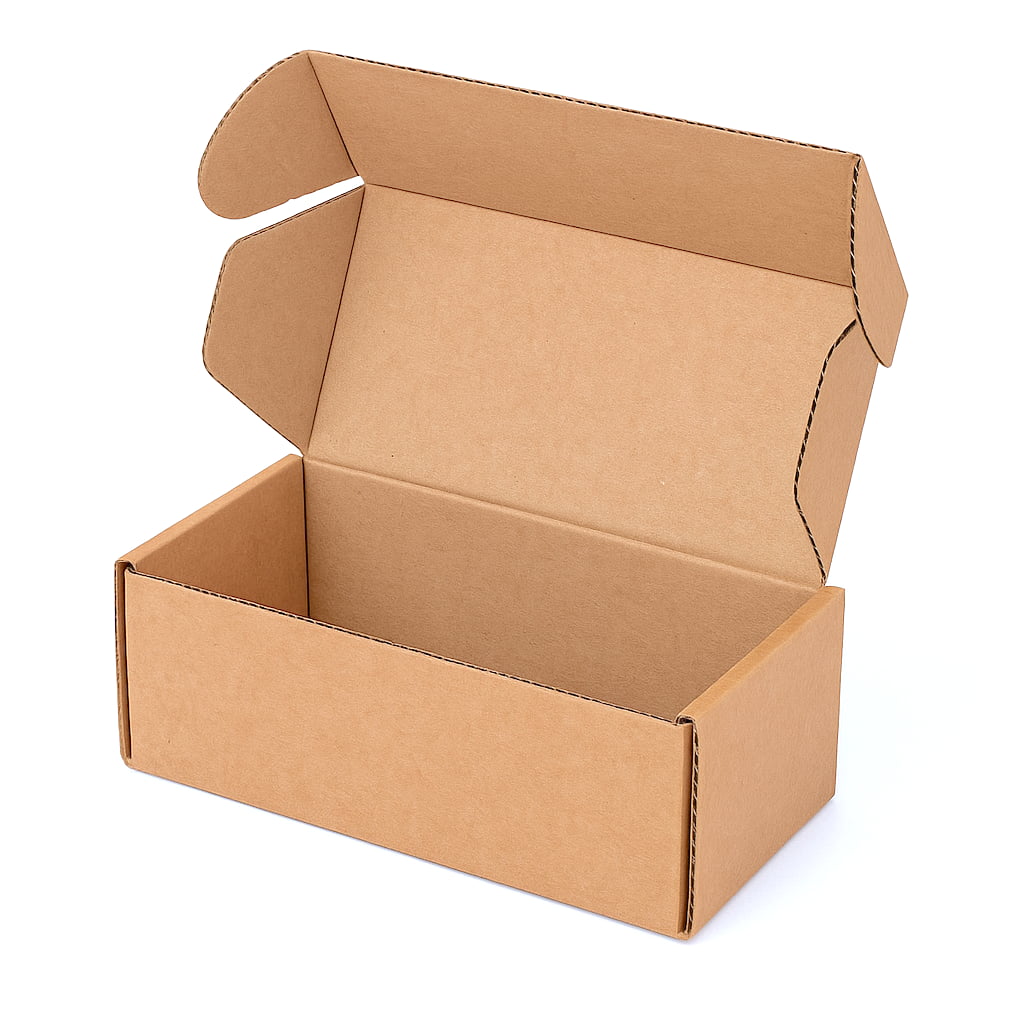
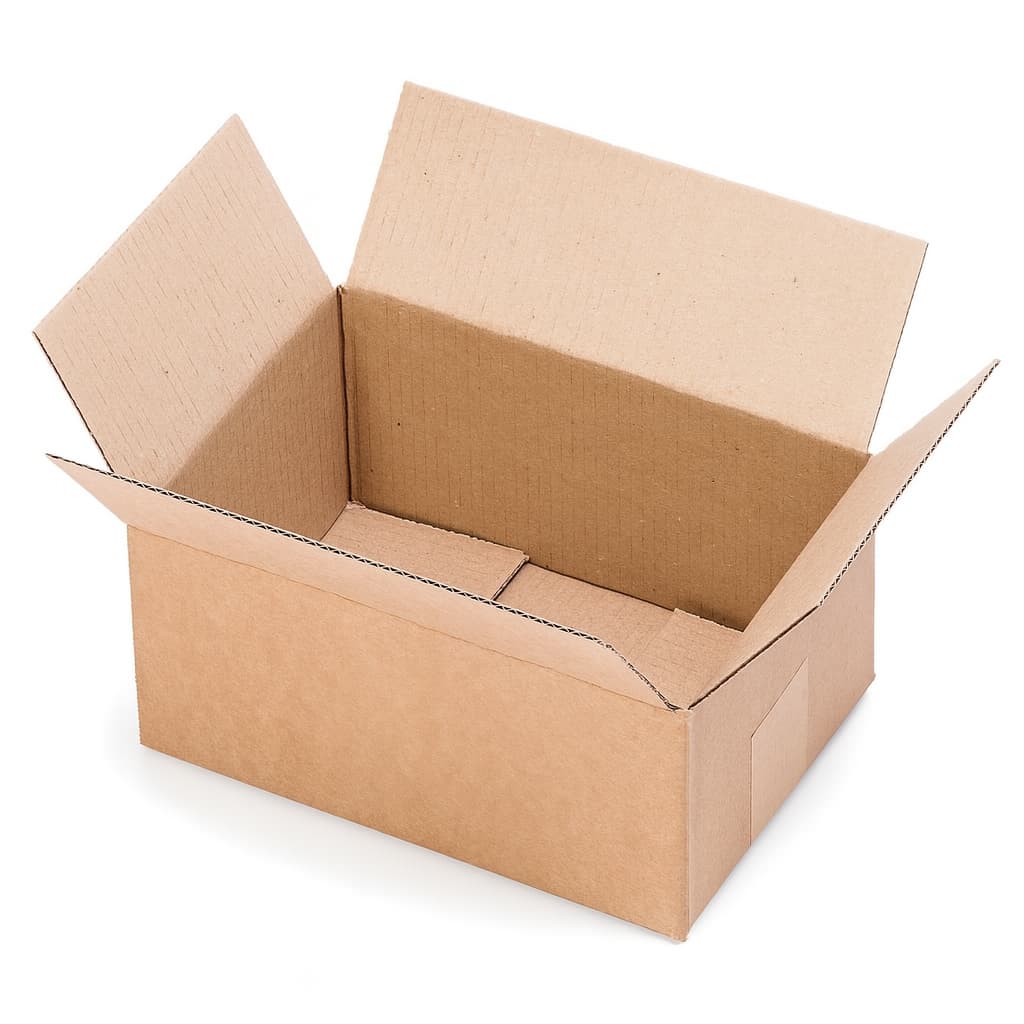
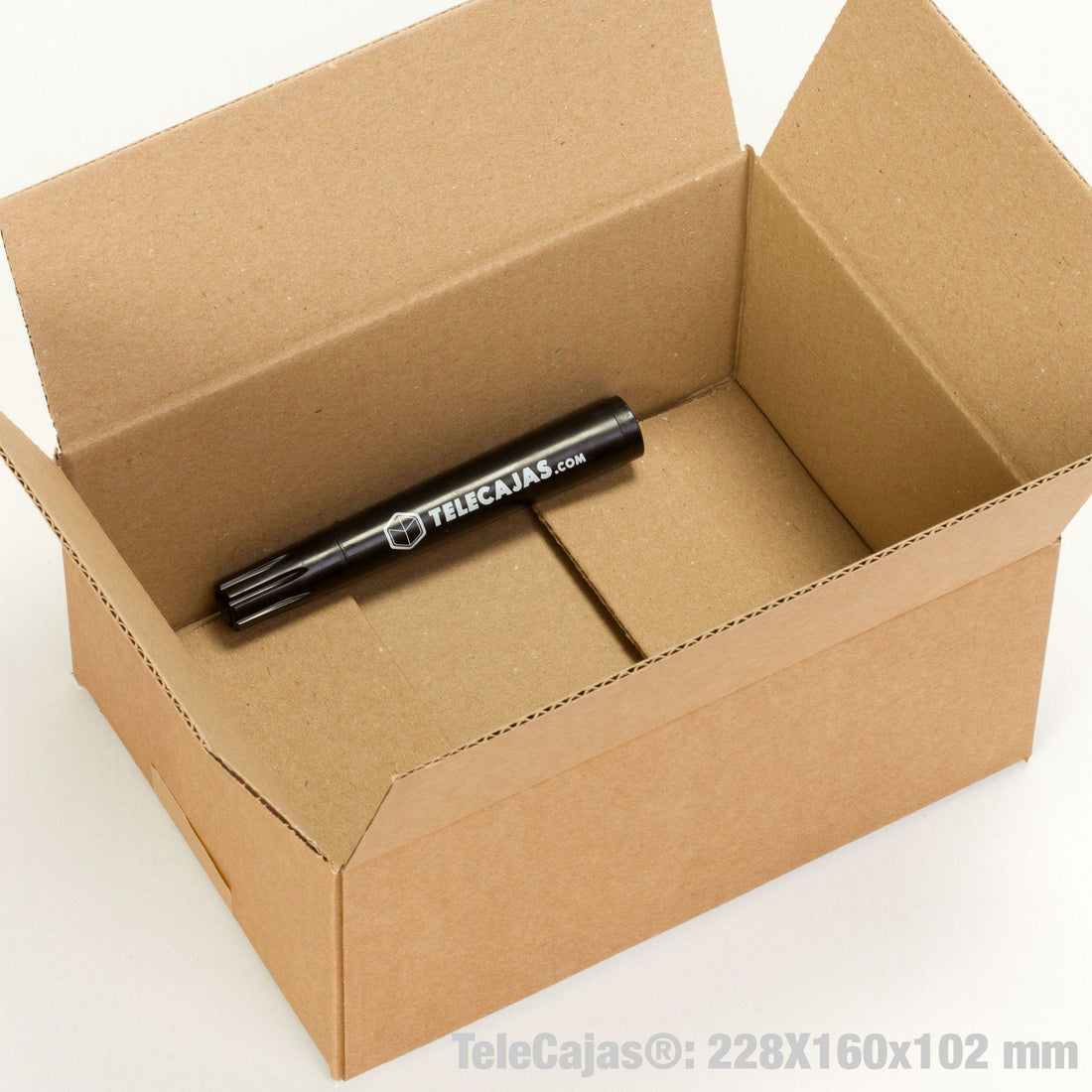
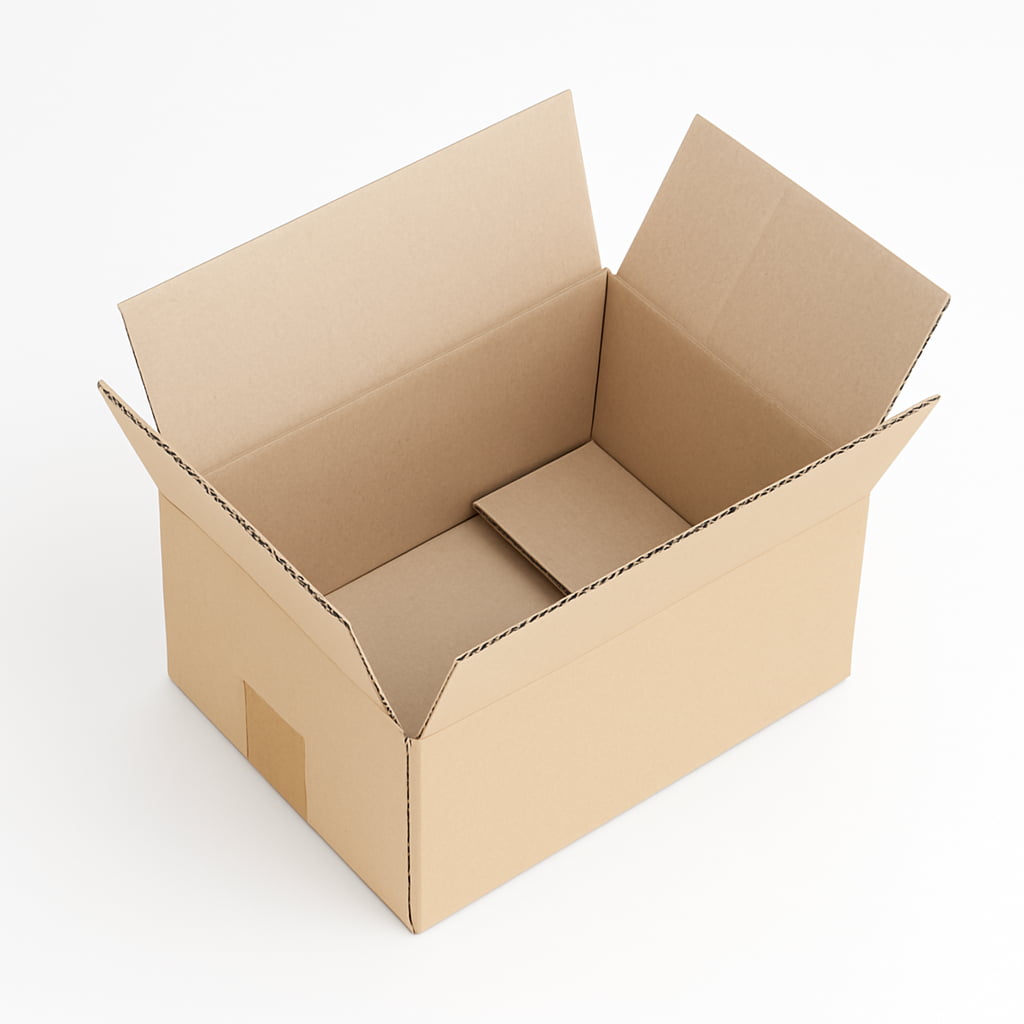
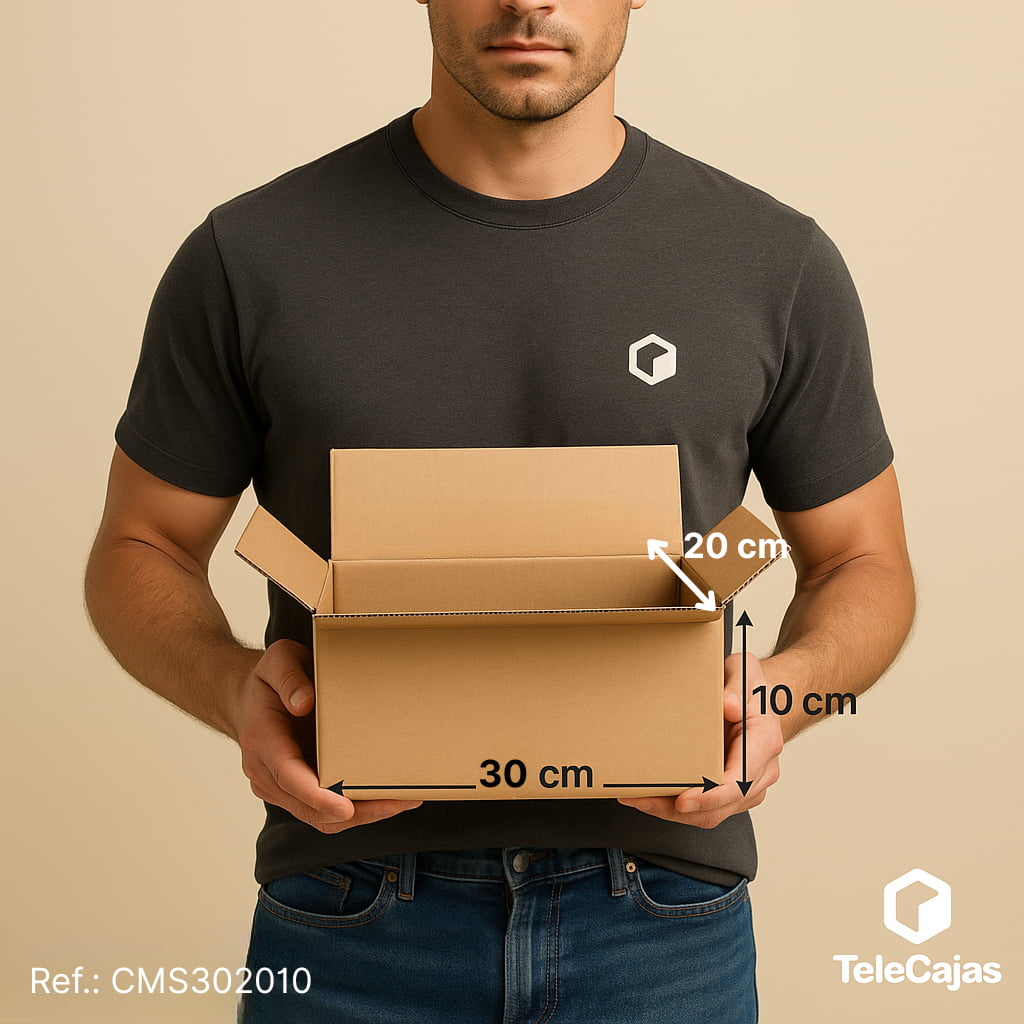
The cost of packaging an e-commerce order isn't just the price of the box. The minimum calculation includes a box or envelope + protection + tape + label + labor + spoilage. In an example with a 30x20x10 cm box, 0.25 m² of foam, 2 meters of tape, one label, and 3 minutes of preparation, the cost comes out to 2.27 euros per order.
This figure is illustrative: it uses TeleCajas prices reviewed on August 9, 2026, and a hypothetical labor cost of 18 euros per hour. It does not include transportation, storage, machinery, returns, or the tax treatment applicable to each company.
To first define the appropriate formats and strength, you can start with the previous guide on cardboard boxes for e-commerce shipments and then apply this formula to each order family.

Packaging Cost Formula Per Order
Cost per order = consumables used + preparation time + spoilage + allocated operating costs
For an initial estimate, you can break down these items:
- Outer packaging: box, case, or envelope.
- Protection: foam, paper, shredded paper, bubble wrap, corner protectors, or dividers.
- Closure: meters of tape actually consumed.
- Identification: thermal label, document holder, or adhesive labels.
- Labor: minutes spent multiplied by the actual cost per minute.
- Spoilage: wasted material, failed labels, damaged boxes, and offcuts.
- Operation: equipment depreciation, space, energy, and management, if you want to know the full cost.
Breaking down the items allows for action. If the box accounts for almost all the cost, it's worth reviewing formats and purchase volume. If labor is the main factor, simplifying the process might be more profitable than looking for a few cents of savings on cardboard.
Step-by-Step Calculated Example
| Concept | Calculation | Cost per order |
|---|---|---|
| Box 30x20x10 cm | 1 unit | €0.95 |
| 2 mm Foam | 0.25 m² from a 5 m² roll at €5.95 | €0.30 |
| 48 mm Tape | 2 m from a 132 m roll at €1.99 | €0.03 |
| 10x15 cm Thermal Label | 1 from a batch of 1,000 at €49.95 | €0.05 |
| Subtotal Materials | 0.95 + 0.30 + 0.03 + 0.05 | €1.33 |
| Labor | 3 min at €18/hour | €0.90 |
| Material Spoilage | 3% of €1.33 | €0.04 |
| Estimated Total | Materials + Time + Spoilage | €2.27 |
The prices used correspond to a 30x20x10 cm box, a 2 mm foam roll, 132-meter clear tape, and a roll of 1,000 10x15 cm thermal labels. Update these amounts when recalculating.
What It Means for 10, 100, and 1,000 Orders
| Orders | Unit Cost (Example) | Estimated Total Cost |
|---|---|---|
| 10 | €2.27 | €22.70 |
| 100 | €2.27 | €227.00 |
| 1,000 | €2.27 | €2,270.00 |
Multiplication shows why tenths of a cent matter when volume increases. Saving 0.20 euros per order is equivalent to 200 euros for every 1,000 orders. However, removing protection without validating damage can shift the supposed savings to returns, replacements, and customer service.

How to Calculate Each Component with Your Own Data
Box or Envelope
Use the net cost your company actually pays per unit, including supplier shipping costs if they are not already distributed. The actual cost if the packaging comes from Seville is not the same as from a pan-European catalog: shipping costs, VAT, and lead times change. Separate the formats: do not average a small box with a heavy one if they serve different order families. You can compare alternatives in shipping boxes.
Protection
Convert each roll or bag to a common unit. For foam, divide the price by its square meters and multiply by the square meters used. For shredded paper or paper, weigh a sample from several orders and divide. In filling and protection, you will find different formats for comparison.
Tape
Divide the roll's price by its meters and multiply by the meters spent on each box. Measure several complete closures instead of guessing. Large, heavy boxes or those closed in an H-pattern consume more than a self-assembling small box.
Labor
Time a representative sample from the start of preparation until the package is ready for dispatch. Include assembling the box, picking products, protecting, closing, weighing, and labeling. Divide the full labor cost by productive minutes; gross salary alone may fall short if you're looking for business cost.
Spoilage and Errors
Record boxes that break during assembly, labels that are reprinted, and protection that ends up as scraps. If you don't have data yet, use an explicit hypothesis and replace it when you accumulate several weeks of actual consumption.
Three Costs That Are Often Excluded
- Storage: the space occupied by consumables and stock replenishment.
- Equipment: printer, scale, dispenser, table, and maintenance.
- Incidents: replacement, second shipment, return, and support time caused by inadequate packaging.
To set prices or margins, add these expenses with a stable criterion. For a quick comparison of two boxes, the incremental cost of materials and time may suffice. The important thing is not to mix both analyses.
How to Reduce Cost Without Increasing Breakage
- Define two or three formats that cover most orders, without forcing a single size for everything.
- Place the box, protection, tape, and label in order of use to reduce movement.
- Mark standard fill quantities per product family and validate that there is no movement.
- Buy in bulk only when historical consumption justifies the space and tied-up capital.
- Compare savings with the damage rate over several weeks, not just the material price.

Apply the Calculation to Each Order Family
Start by defining the format with the guide on box sizes based on the item. If you sell wine or gifts, separate the calculation by capacity with the comparison of boxes for 1, 2, 3, 6, and 12 bottles. Then, contrast any material savings with the protocol for avoiding claims due to insufficient packaging: reducing cents is not worth it if breakages increase.
Shipping is excluded from this calculation. To estimate it separately and understand how weight and volume influence it, consult how much it costs to send a package in Spain.
Frequently Asked Questions
How much does it cost to package an e-commerce order?
It depends on the product, materials, and time. In the calculated example, a small box with foam, tape, a label, three minutes of work, and 3% spoilage costs 2.27 euros per order.
Should I include labor?
Yes. Even if the owner prepares the orders, that time has an opportunity cost. Without including it, two packages with similar materials might seem equal even if one takes twice as long.
How do I calculate the cost of tape?
Divide the roll's price by its meters and multiply by the meters used for one package. In the example, 2 meters from a 132-meter roll costing 1.99 euros costs about 0.03 euros.
What spoilage percentage should I use?
Use your actual consumption. If you don't know it, start with a visible hypothesis, such as the 3% in the example, and correct it with data on damaged boxes, scraps, and reprints.
Is shipping part of the packaging cost?
Not in this calculation. Shipping is a separate delivery cost, although the size and weight of the packaging can affect its price.
In Summary
Calculate each format separately and measure what you actually consume. In the analyzed case, materials cost 1.33 euros and time adds 0.90 euros: labor is almost as important as the box. A simple sheet with material, minutes, and spoilage allows for better budgeting and finding savings that don't compromise the product.
Reference prices reviewed at TeleCajas on August 9, 2026. The labor cost of €18/hour and 3% spoilage are didactic hypotheses, not rates or accounting recommendations. Recalculate with your prices, taxes, and labor costs.