The short answer: measure the item once it's protected
The right box is the smallest one in which the product fits wrapped, separated from the walls, and unable to move. Don't choose the size using only the bare item: a sleeve, several layers of foam, accessories, and filler also take up space.
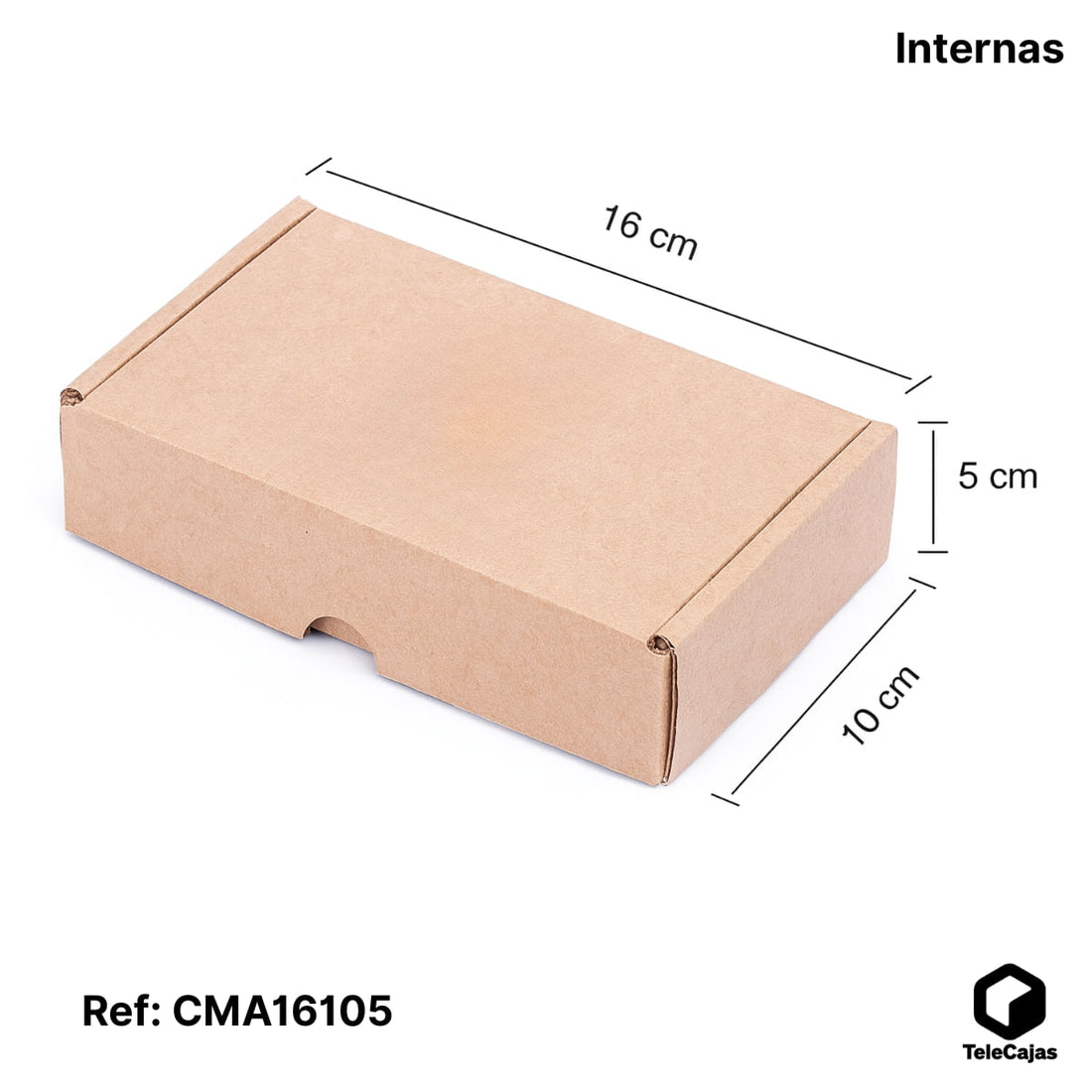
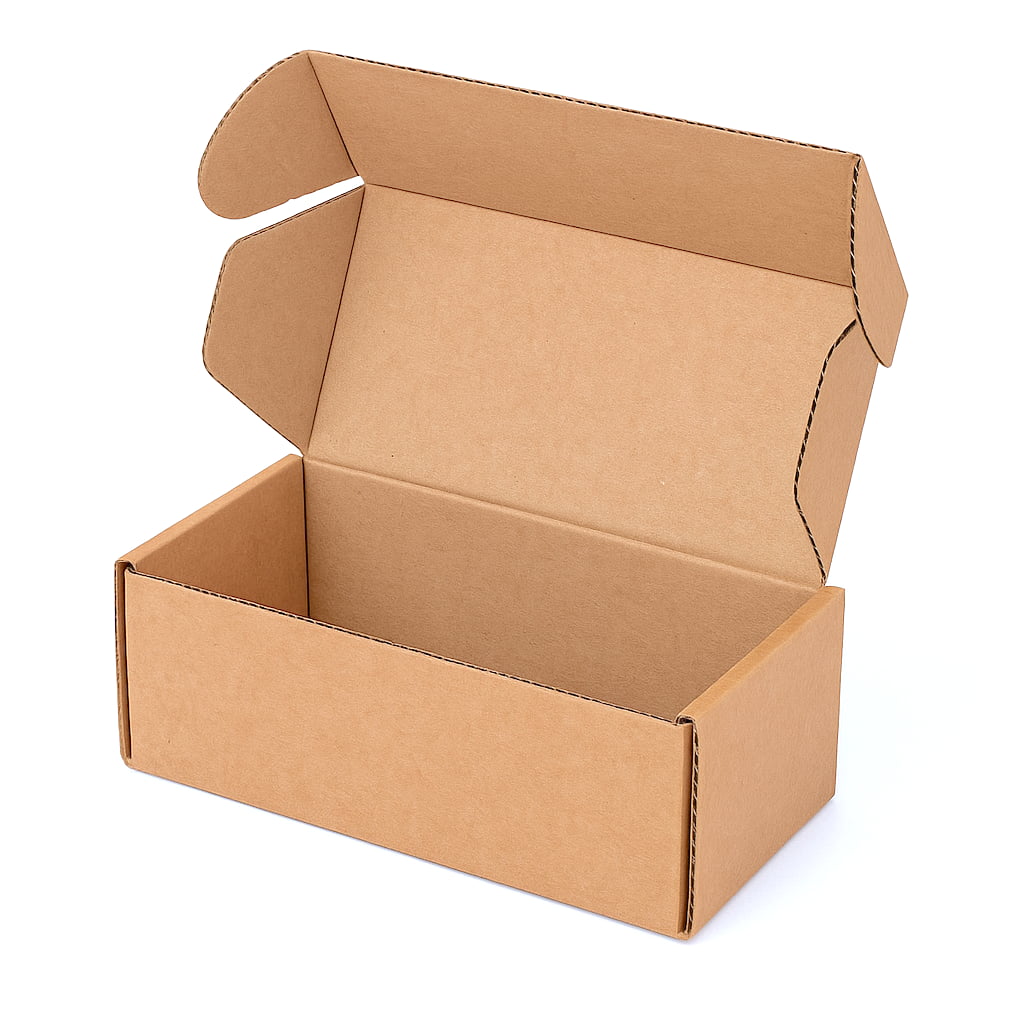
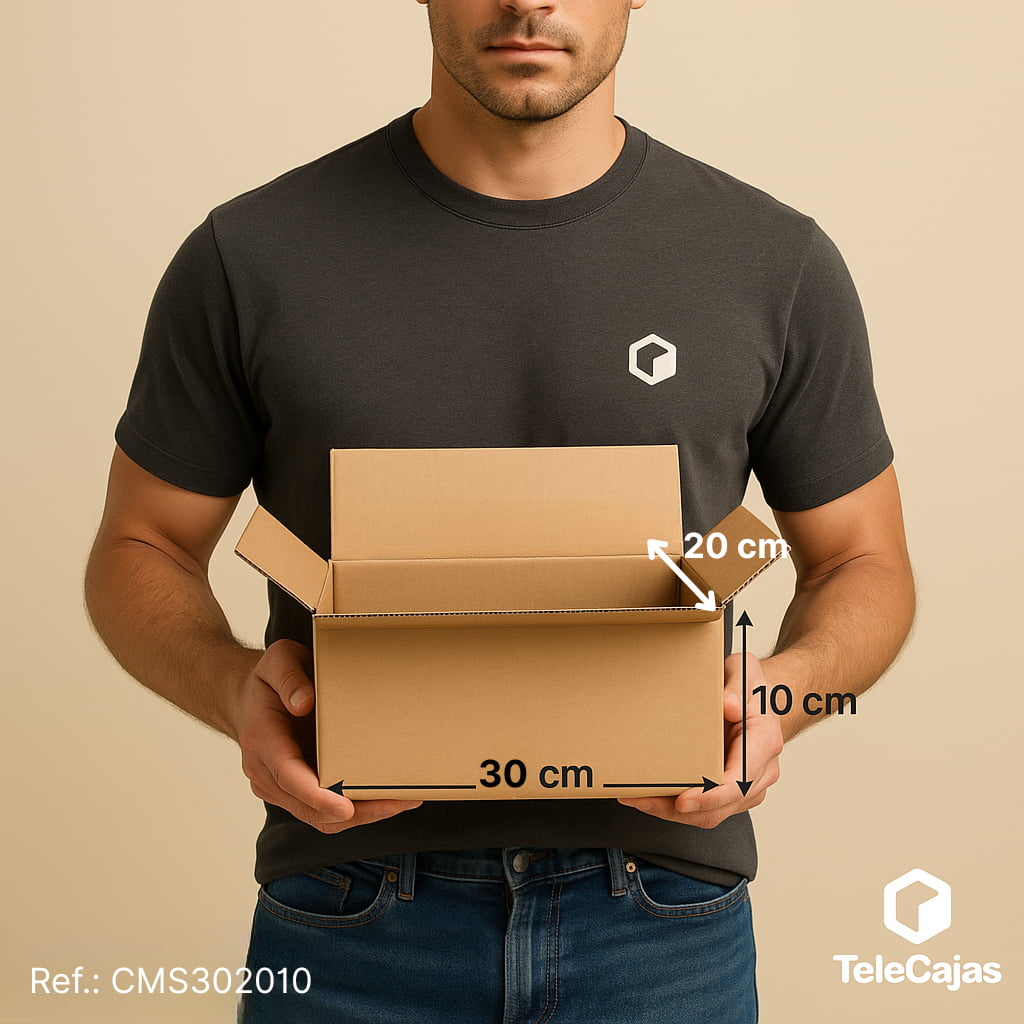
As a guide, a mobile phone can start in a 16x10x5 cm box, a single book in 28x23x5 cm, a folded garment in 30x20x10 cm, shoes around 34.5x21x12.5 cm, and a protected laptop in a 42x30x14 cm box or larger. These are starting points, not universal measurements: always check the usable internal space of the box and remeasure the item after protecting it.

Quick size chart by item
| Item | Suggested box | Recommended protection | Key check |
|---|---|---|---|
| Small mobile phone | From 16x10x5 cm | Foam sleeve and perimeter filler | Must not touch any wall |
| Single book | 28x23x5 cm | Edge and corner protection | Cover should not slide |
| T-shirt or thin garment | 30x20x10 cm | Inner bag against moisture | Do not compress until deformed |
| Shoes without original box | 34.5x21x12.5 cm | Paper inside and between both shoes | Size and model may require more |
| Compact laptop | From 42x30x14 cm | Foam on all sides and corners | Also measure charger and accessories |
| Console | 40x29x25 or 50x35x35 cm | Wrap console, controllers, and cables separately | No part should collide with another |
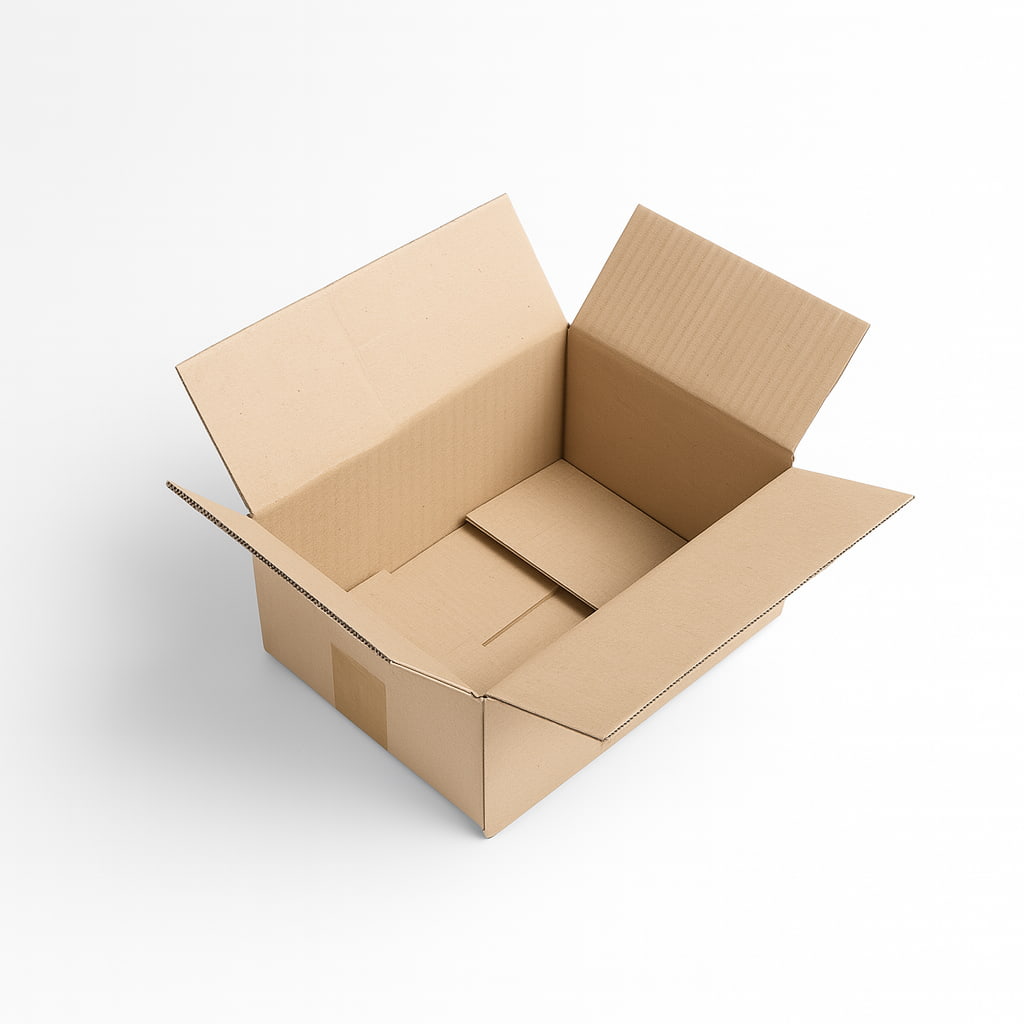
These measurements help narrow down your search. In small and medium boxes you'll find formats for books, clothing, and compact items; for larger equipment, compare the collection of shipping boxes.
The formula for choosing the right box every time
Use this relationship for each dimension:
Usable internal box dimension ≥ measured product dimension once protected
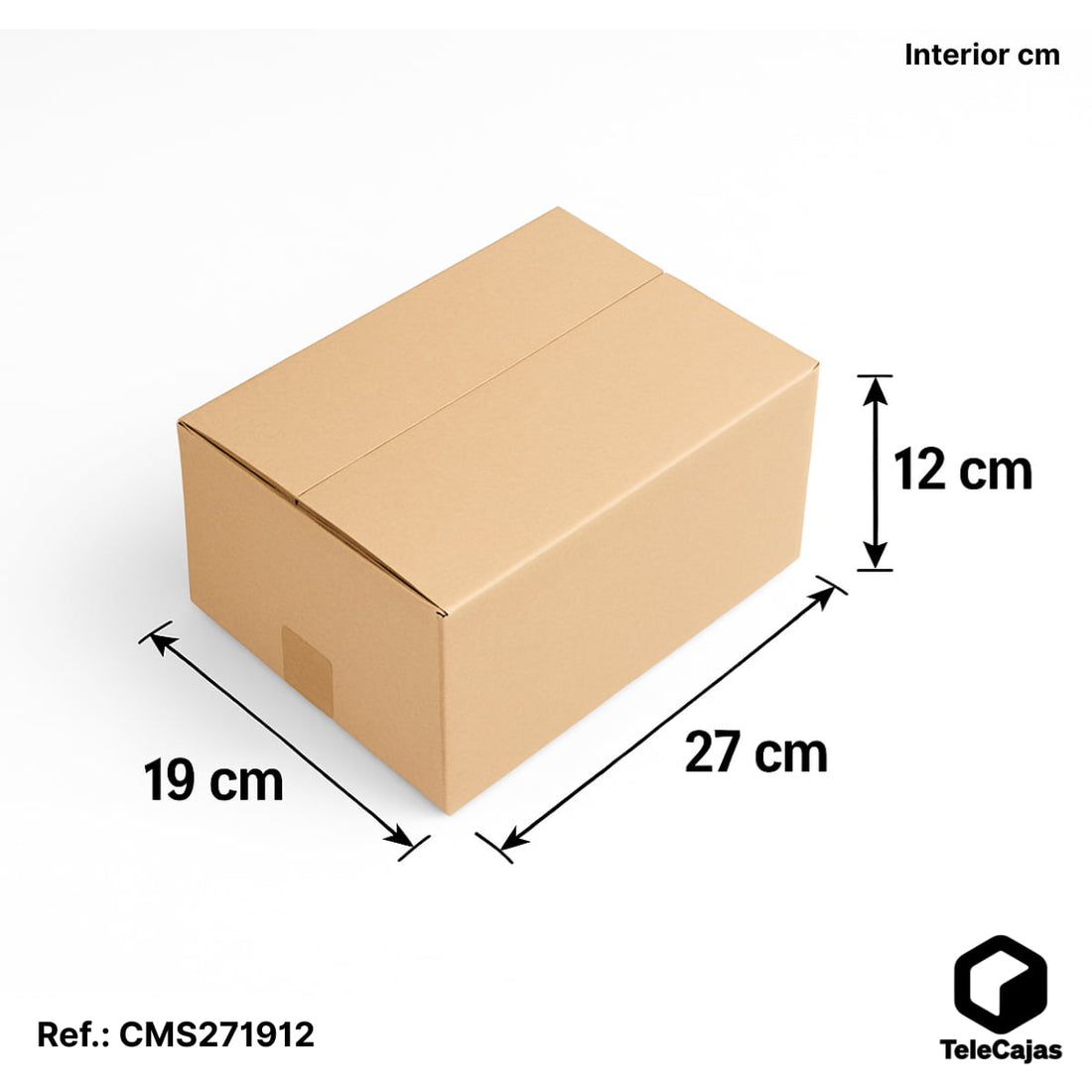
Before comparing numbers, distinguish length, width, and height and check if the product sheet publishes internal or external measurements. The previous guide on how to measure a cardboard box explains the correct order and avoids swapping dimensions.
- Place the item as it will travel: folded, disassembled, or with its accessories grouped.
- Wrap the surfaces and especially protect corners, screens, and protruding parts.
- Remameasure length, width, and height at the point of greatest volume.
- Choose a box whose interior accommodates those three measurements without forcing the closure.
- Fill the remaining space and perform a movement test before sealing.
There is no fixed margin valid for every product. A T-shirt may need very little extra space; a screen, a ceramic piece, or heavy equipment need a continuous buffer zone. The goal is not to fill the box with filler, but to prevent impact from reaching the item.
Don't guess by eye: use the box size finder.
Small items: mobile phones, cosmetics, and accessories
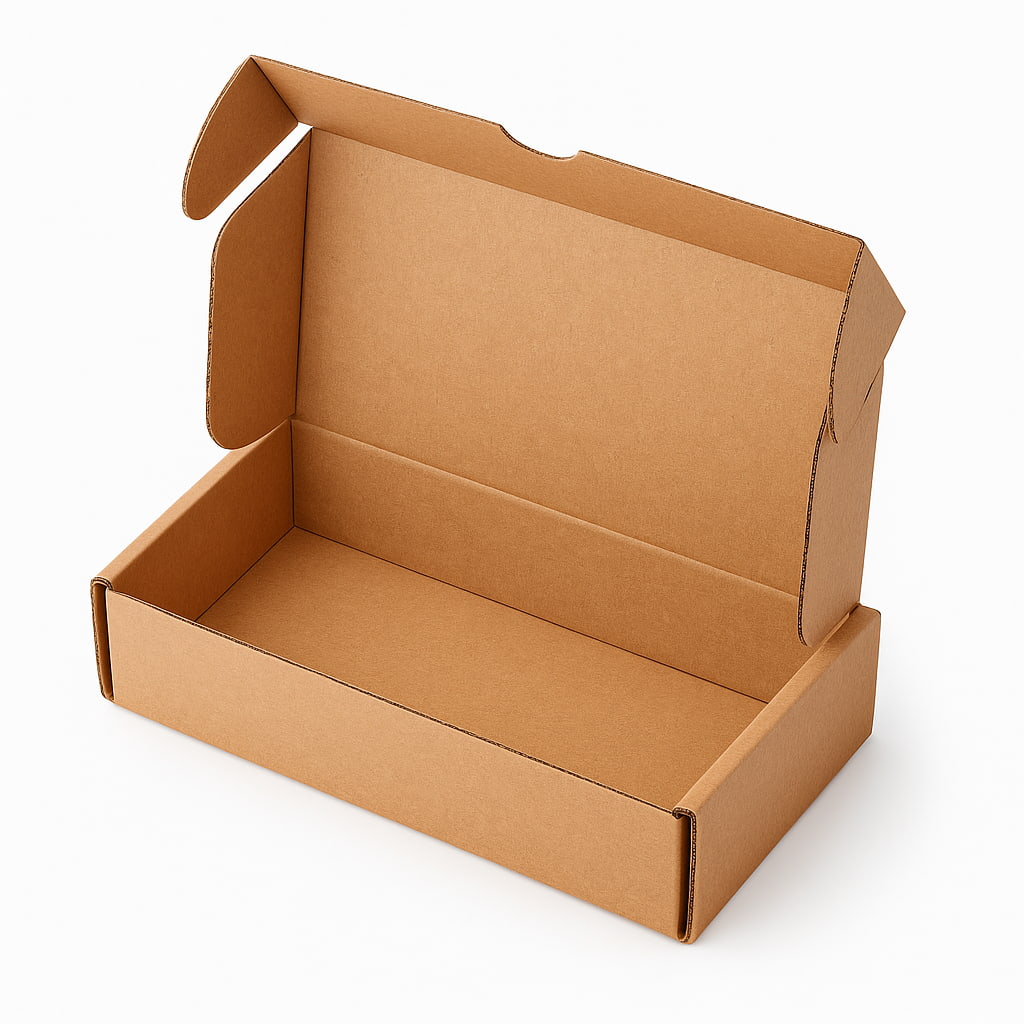
For a mobile phone or a compact accessory, a 16x10x5 cm mailer box can be a good starting point if the already protected device fits without pressure. Inserting it naked because the measurement seems exact is a mistake: the screen and corners would be too close to the outside.
Group cables and small parts in a separate bag, never loose on the screen. If there are liquids or cosmetics, close each container, add a waterproof barrier, and keep them separate from the cardboard. When several items share a box, wrap each unit so they cannot hit each other.

Books: snug, but without damaging the corners
A book mailer of 28x23x5 cm reduces empty space and protects better than a deep box. If the book has a dust jacket, delicate corners, or collector's value, add a protective sheet and flat cardboard to both covers before closing.
Tablets and thin books: 43x35x7 mailer. Glassware: 40x25x20 glassware box.
For multiple books, distribute the weight. A huge box filled to the brim can exceed manageable weight and break at the bottom. Place the books flat, eliminate lateral movement, and reinforce the bottom seal with packing tape.
Clothing: the size depends on how you fold it
Fold the garment before measuring it and place it in a clean bag to protect it from moisture and dust. A 30x20x10 cm box usually accommodates one or several thin garments; a jacket, a bag, or a bulky lot will need more height.
Do not force a box to reduce a few centimeters. If the cardboard bulges, the flaps do not close flat, and the package loses strength. Nor should you leave a small garment in a disproportionate box: you will occupy shipping volume and waste filler without improving protection.
Shoes: measure the pair, not a single unit
Place paper inside to retain shape, protect each shoe, and measure the ensemble. A 34.5x21x12.5 cm mailer box can work for certain pairs without original packaging, but the size, heel, and type of footwear greatly change the volume.
If you keep the brand box, use it as internal presentation and add an outer box. The original box should not be exposed to rain, labels, scuffs, and bumps if it is part of the product's value.
Laptops and consoles: protection matters more than nominal size
For electronics, measure the device after wrapping all its sides. A 42x30x14 cm mailer box may fit some compact laptops; ensure there is real margin for foam on the base, lid, sides, and corners. If the equipment is heavy or the journey demanding, consider a stronger cardboard box.
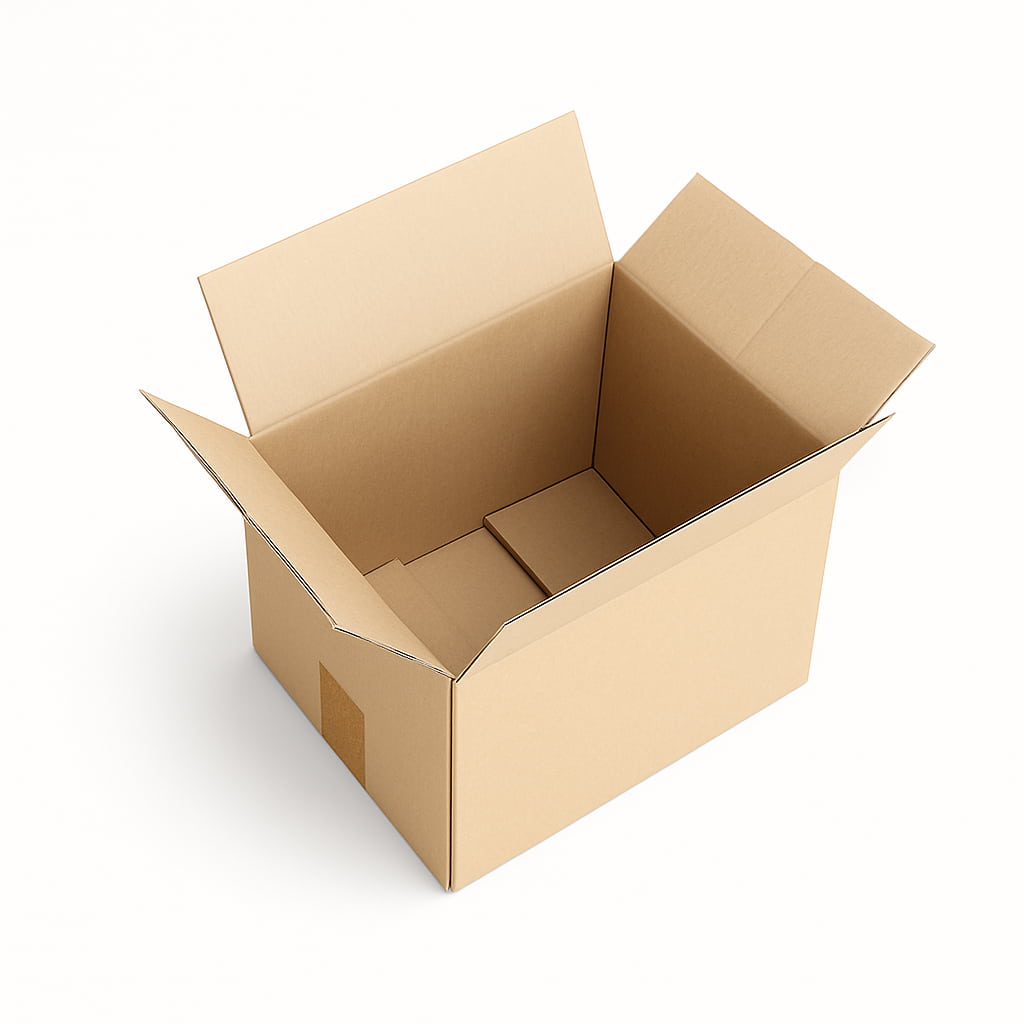
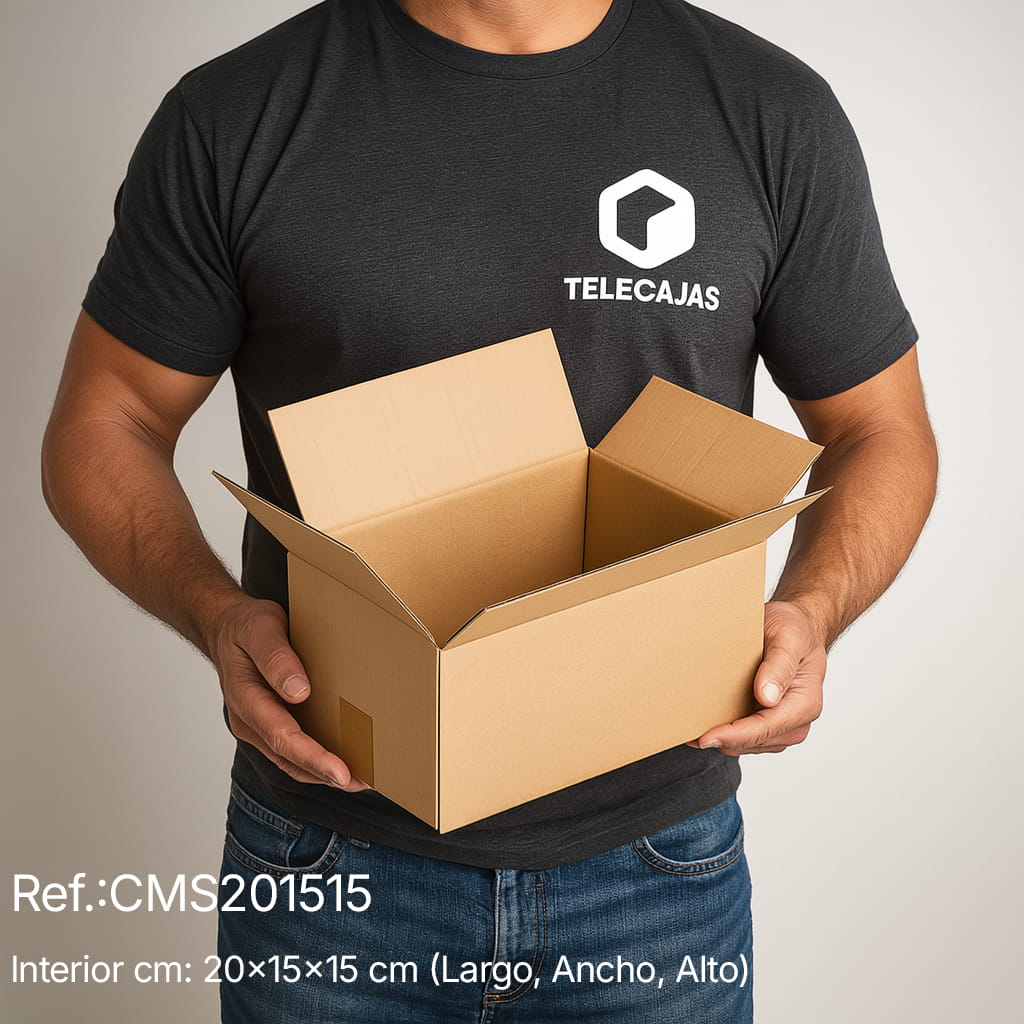
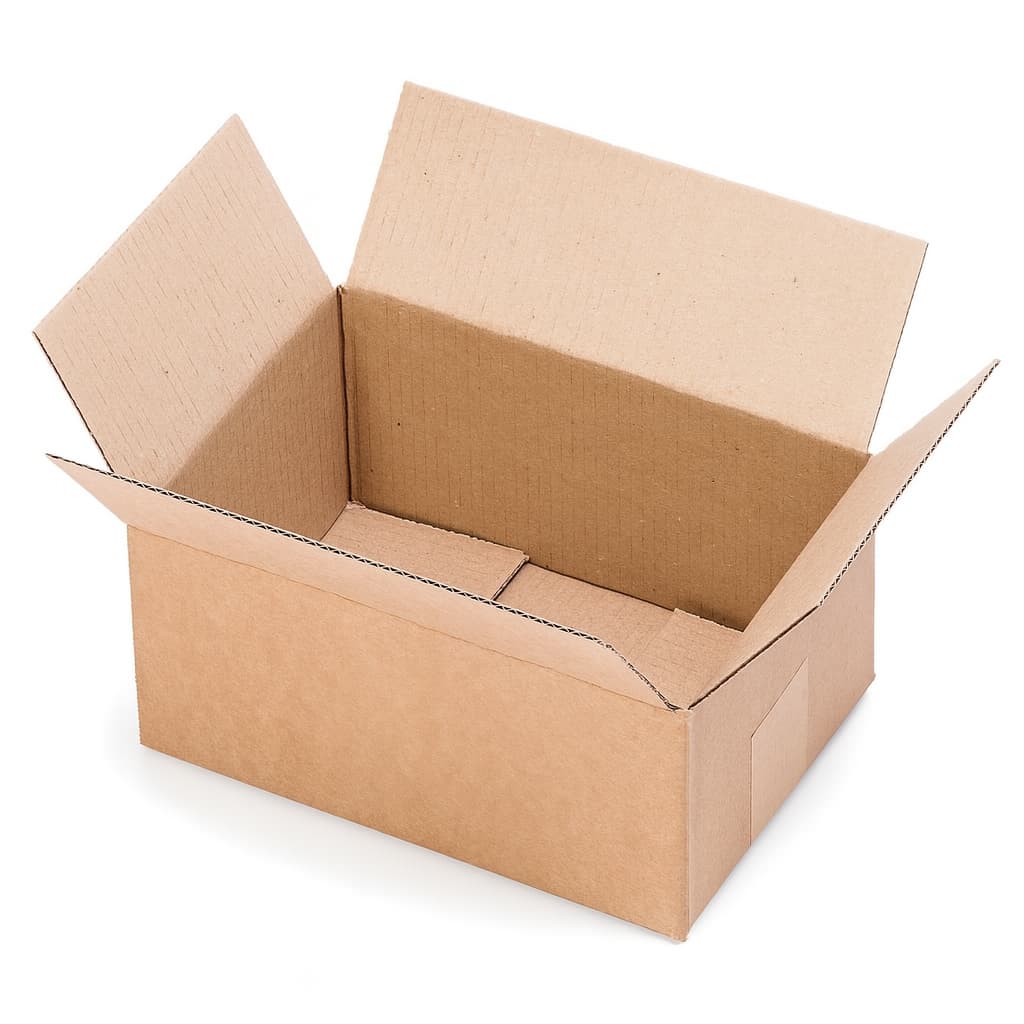
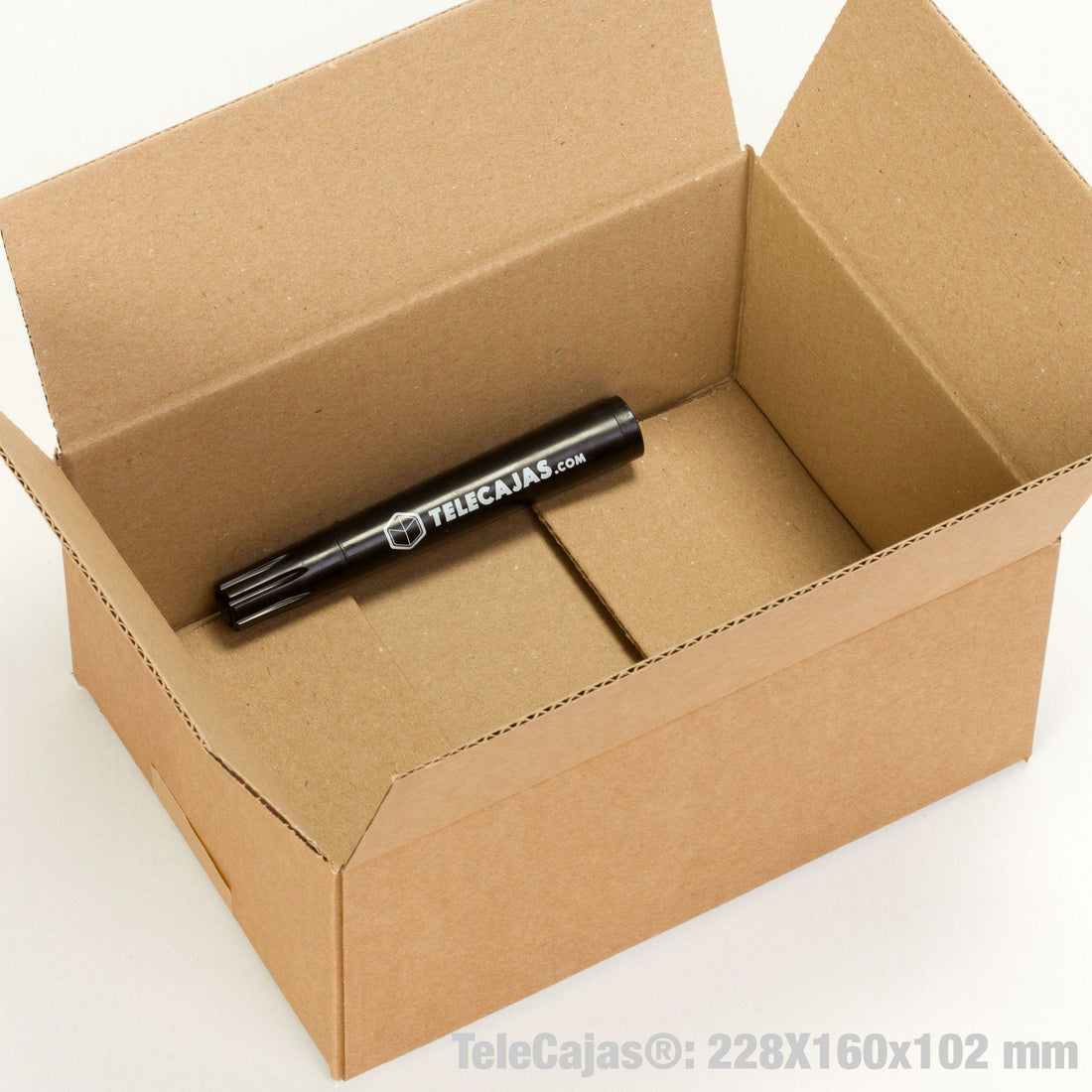
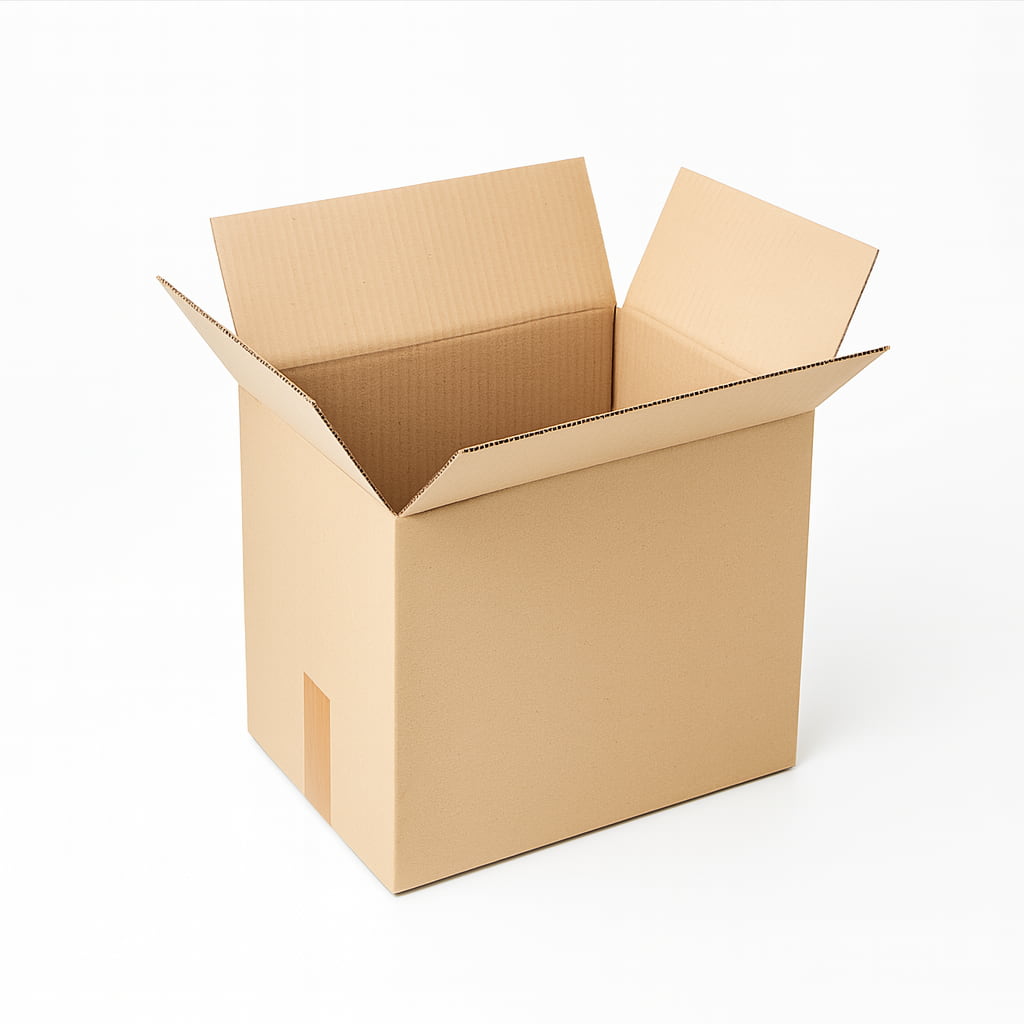
For a console, a 40x29x25 cm flap box may be sufficient depending on the model and its accessories. Separate controllers, power supply, base, and cables. A loose part can become the impact that damages the casing during transit.

The four mistakes that waste the most space and money
- Using outer measurements as if they were inner: cardboard thickness and folds reduce usable space.
- Measuring the item without protection: then it doesn't fit or the cushioning is removed to close it.
- Choosing a huge box "for safety": increases filler, volume, and internal movement.
- Ignoring weight: a box that fits by volume may not have the necessary strength for the load.
Before buying several units, prepare a complete sample and check dimensions, weight, closure, and handling. This test prevents adopting a box that works on the table but fails when the order includes accessories or a different size.
If the item is heavy, don't decide by volume alone: consult how much weight a cardboard box can hold and adapt the channel's resistance to the load and journey.
Related guides to finalize the shipment
If the sale comes from a second-hand platform, review the specific packaging rules for Wallapop and Vinted. To convert the chosen box into a cost per order, use the e-commerce packaging cost formula. And before delivering delicate products, pass the checklist to reduce damage and claims.
Frequently asked questions
How many centimeters should I add to the item?
There is no universal figure. Add the actual thickness of the necessary protection on each side and then measure. A flexible product needs less margin than a fragile or electronic piece.
Are box measurements interior or exterior?
It depends on how the manufacturer or store publishes them. Check the product sheet and look for the usable interior measurement before confirming that your protected item fits.
Is it better to have extra space?
Only what's needed for cushioning. Empty space left unfilled allows for movement; an excessive box consumes more material and can increase the cost of volumetric shipping.
Can I use the original box of a laptop or console?
Yes, as inner packaging if it retains its protections. For shipping, it's best to place it inside a snug outer box that protects the original packaging and hides the contents.
How do I know if the box is well-fitted?
It should close flat, without bulging or compressing the item. After filling the gaps, the contents should not move when tilting or gently shaking the package.
In summary
Protect first, then measure. Compare the three dimensions with the usable interior of the box, check the weight, and choose the smallest format that keeps the product separated from the walls and completely still. This reduces filler, shipping volume, and damage without trying to save space at the expense of protection.
Once you have the three measurements, the box size finder shows what fits. If you want the standard shipping format, check American flap boxes.