If you sell online or frequently move merchandise, sooner or later you'll encounter these three terms: primary, secondary, and tertiary packaging. They sound like something from a logistics manual, but they are incredibly practical. They are the three layers that protect a product from the moment it leaves the factory until someone opens it at home.
Understanding what each layer does helps you spend less, prevent breakages, and avoid oversizing. Because not everything is fixed by adding more tape and bubble wrap.
We'll explain it with real-world examples. And if you're looking for materials, here are our cardboard boxes in over 40 sizes.

The three levels of packaging, in 30 seconds
Think of an olive oil bottle.
The bottle with its label is the primary packaging: it's in direct contact with the product. The box with dividers where six bottles travel is the secondary packaging: it groups and protects. And the stretch-wrapped pallet where sixty of those boxes are stacked is the tertiary packaging: it allows large volumes to be moved through warehouses and trucks.
Three layers, three distinct functions. Let's go through them one by one.
What is primary packaging?
It's the container that touches the product: the bottle, the cream jar, the coffee bag, the blister pack of a medicine. Its job is to preserve the content, dispense it, and inform the consumer — that's where the label, ingredients, and batch go.
In the industry, it's also called "sales packaging," because it's what the customer sees on the shelf. If you're interested in this more commercial aspect, we have a complete guide on what packaging is.

What is secondary packaging?
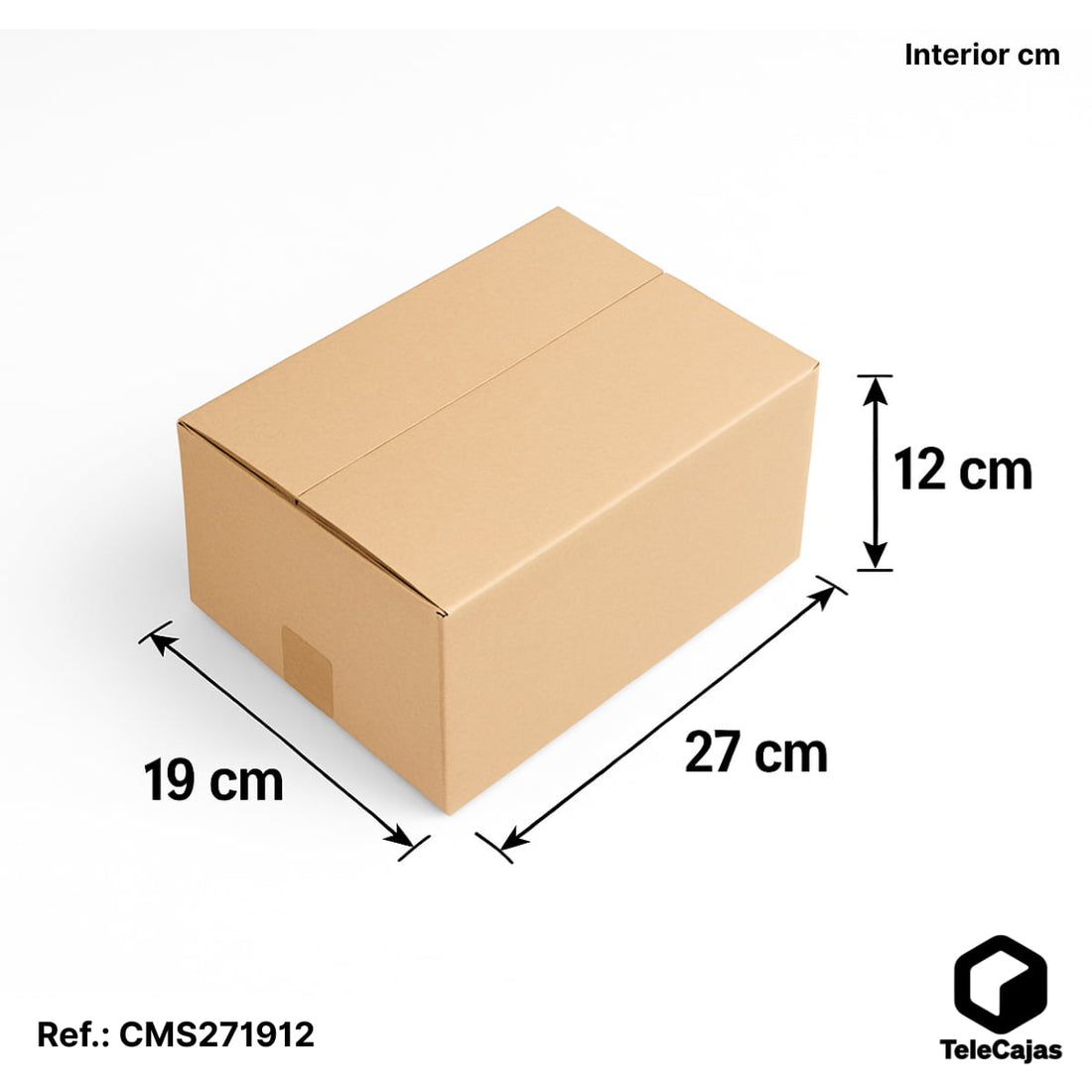
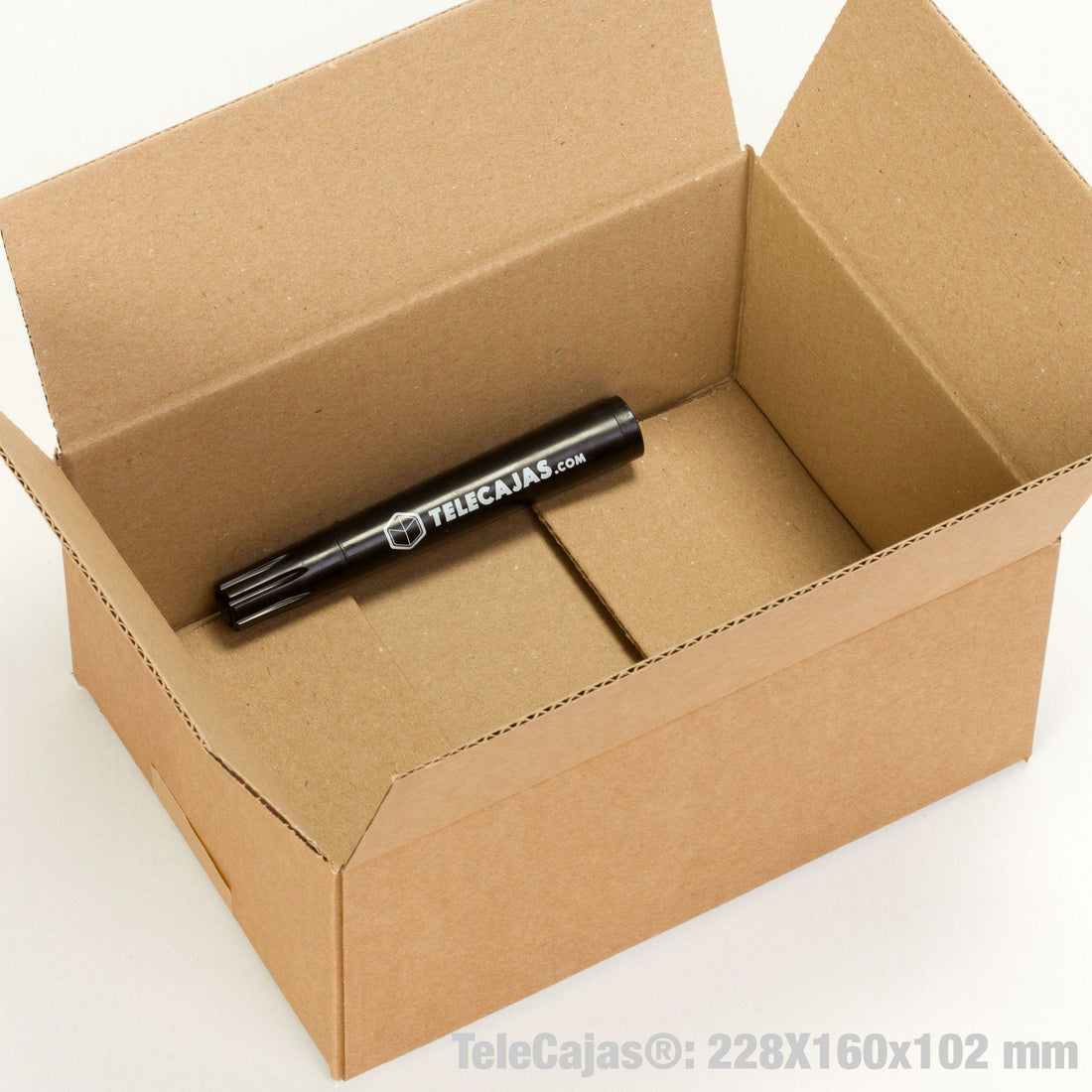
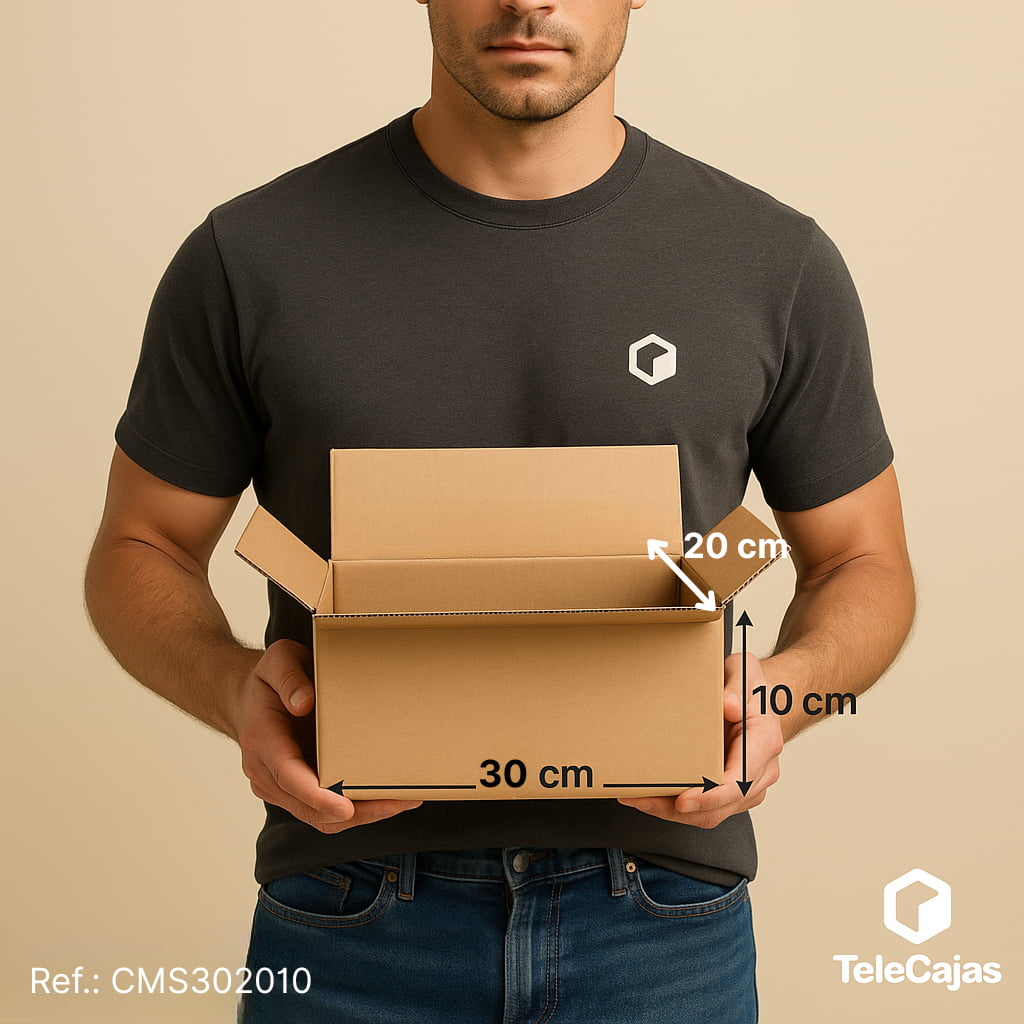
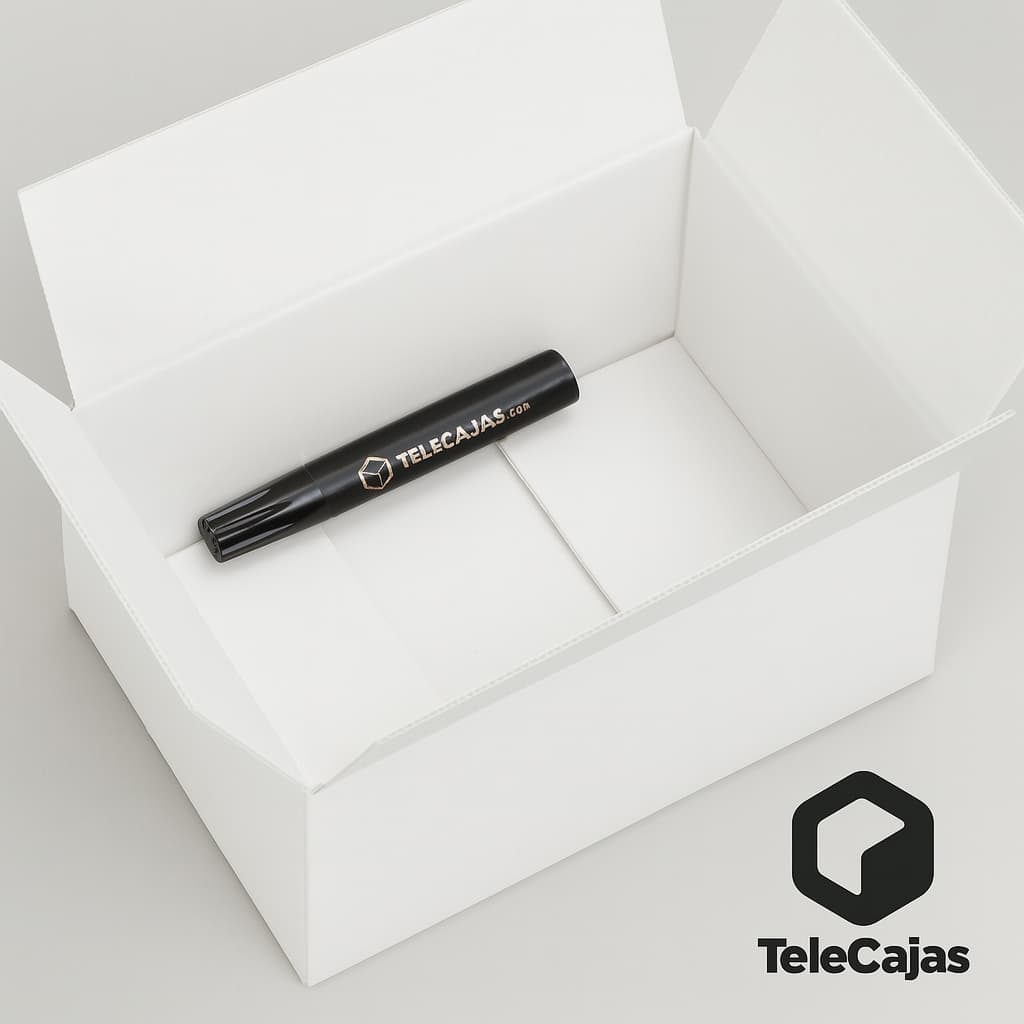
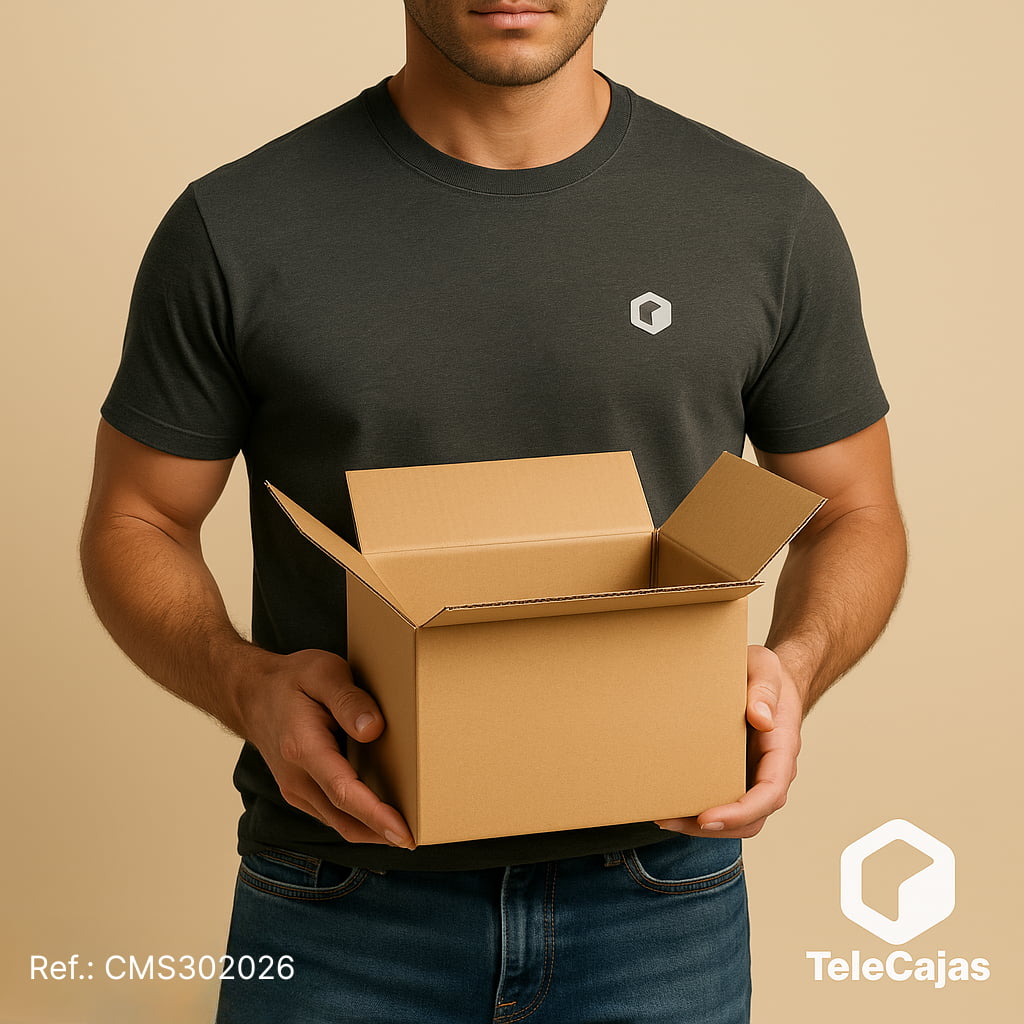
This is where cardboard comes in. Secondary packaging groups several product units and protects them during transport and storage: the box that holds six bottles, the twelve-can pack, the box an e-commerce store uses for an order.
For most businesses, this is the layer where breakages are most likely to occur. Two key points:
- The type of cardboard. For light products, a single-wall box is sufficient. For heavy or delicate merchandise, double-wall is better. The difference between flutes is explained in our guide on corrugated cardboard.
- The interior. A correct box with the product rattling inside is still a problem. The empty space is filled with paper, bubble wrap, or foam — you have options in filling and protection materials.
In e-commerce, secondary packaging also does double duty: it protects and simultaneously creates the customer's first impression. That's no small thing.

What is tertiary packaging?
This is the logistical layer: the one that groups boxes to move them in bulk. The classic example is the pallet — stacked boxes, stretch film around them, and sometimes straps and corner protectors.
Its function is not to protect individual products, but to ensure the load travels stably and can be handled with a forklift. Things like stacking pattern and film tension are important here. We have two detailed guides: what palletizing is and product stretch wrapping.
Materials for this layer? Our palletizable stretch film is one of the most used by B2B customers.

Comparison table: primary vs secondary vs tertiary
| Level | Main function | Examples | Common materials |
|---|---|---|---|
| Primary | Contain, preserve, and inform | Bottle, can, blister pack, bag | Glass, plastic, metal, paperboard |
| Secondary | Group and protect during transport | Cardboard box, pack, grouping carton | Corrugated cardboard, dividers, filling |
| Tertiary | Move large volumes stably | Pallet with film, container | Pallet, stretch film, straps, corner protectors |
How to choose each level well (without overspending)
Some advice we often repeat to our clients:
- Think in terms of the chain. A robust secondary packaging allows for lighter primary packaging, and good palletizing places less stress on the boxes. Optimizing one layer in isolation often proves costly.
- Don't oversize. More cardboard doesn't always mean more protection: a box that's too big requires more filling and stacks less efficiently.
- Mark the merchandise. Good packaging is of little use if no one knows it's fragile or needs to be kept "this side up." Here's the guide to packaging symbols.
- Delicate products require a method. A painting, a mirror, or a television need their own ritual — we'll show you how in how to pack a painting or mirror for transport.
And a regulatory note: the new European packaging regulation affects all three levels, with a phased timeline. We cover it in our PPWR regulation guide.
Frequently asked questions
Can packaging be primary and secondary at the same time?
Yes, and it happens constantly in e-commerce. If you sell artisan candles and send them in a postal box with void fill, that box both groups and protects during transport. The classification describes functions, not objects: the important thing is that each function is covered.
Is tertiary packaging mandatory?
For sending individual packages by courier, no. It becomes essential when moving volume: modern distribution works with pallets, and unpalletized merchandise is handled more and gets damaged more.
What packaging do I need to send orders by parcel service?
Secondary packaging designed for parcel handling: a sturdy cardboard box (double-wall if it exceeds 10-15 kg or if the contents are delicate), internal void fill to prevent movement, and good sealing. At TeleCajas, we offer over 40 sizes of shipping boxes, with delivery in 24-48 hours in mainland Spain, the Balearic Islands, and Portugal.
What is quaternary packaging?
Some manuals use this term for the level that groups tertiary units: the container where dozens of pallets travel. In commercial practice, almost everything is resolved with the first three levels.
The material, when you need it
At TeleCajas, we have been helping businesses in Spain and Portugal choose their packaging for over ten years: more than 200 references, prices with VAT included, and free shipping from €50. If you're unsure between two types of boxes or film, write to us on WhatsApp at +34 665 53 23 58 and we'll look at it together.
See cardboard boxes · See stretch film · See void fill and protection