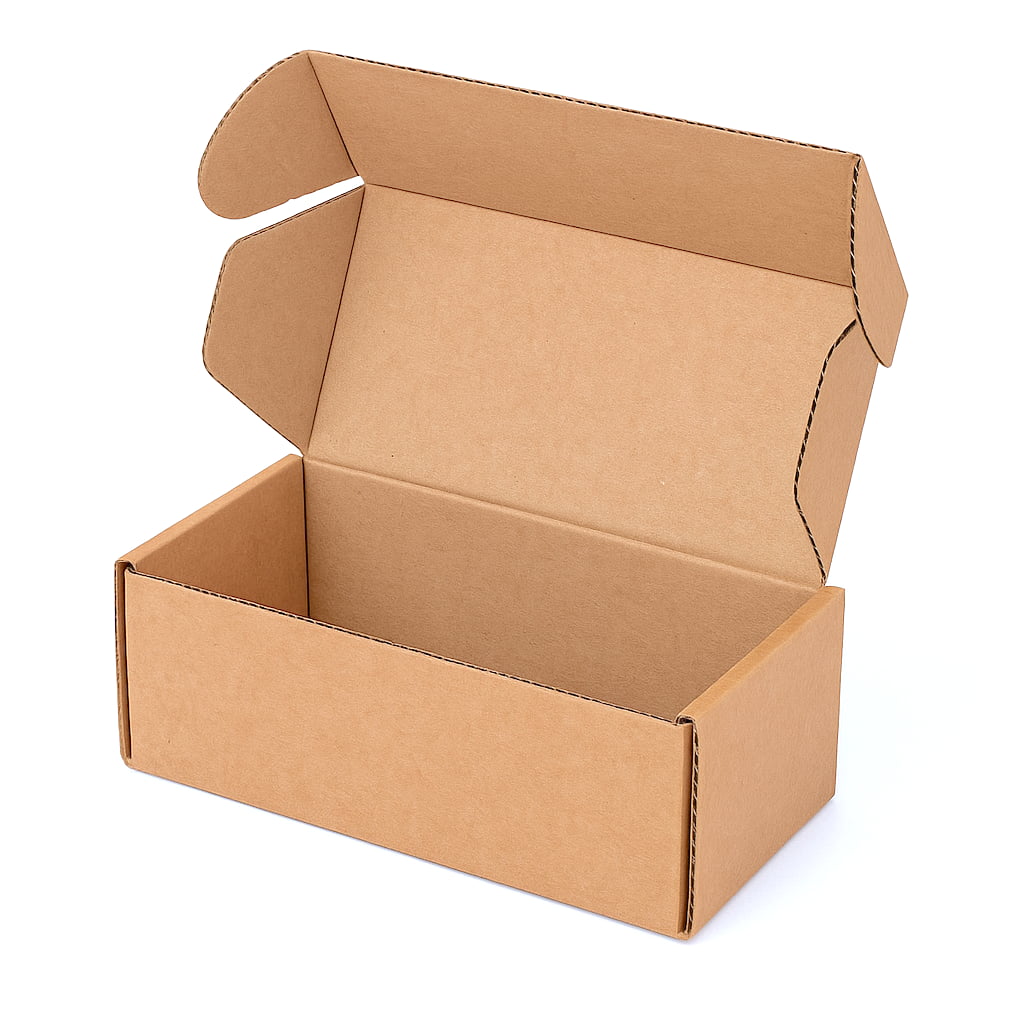
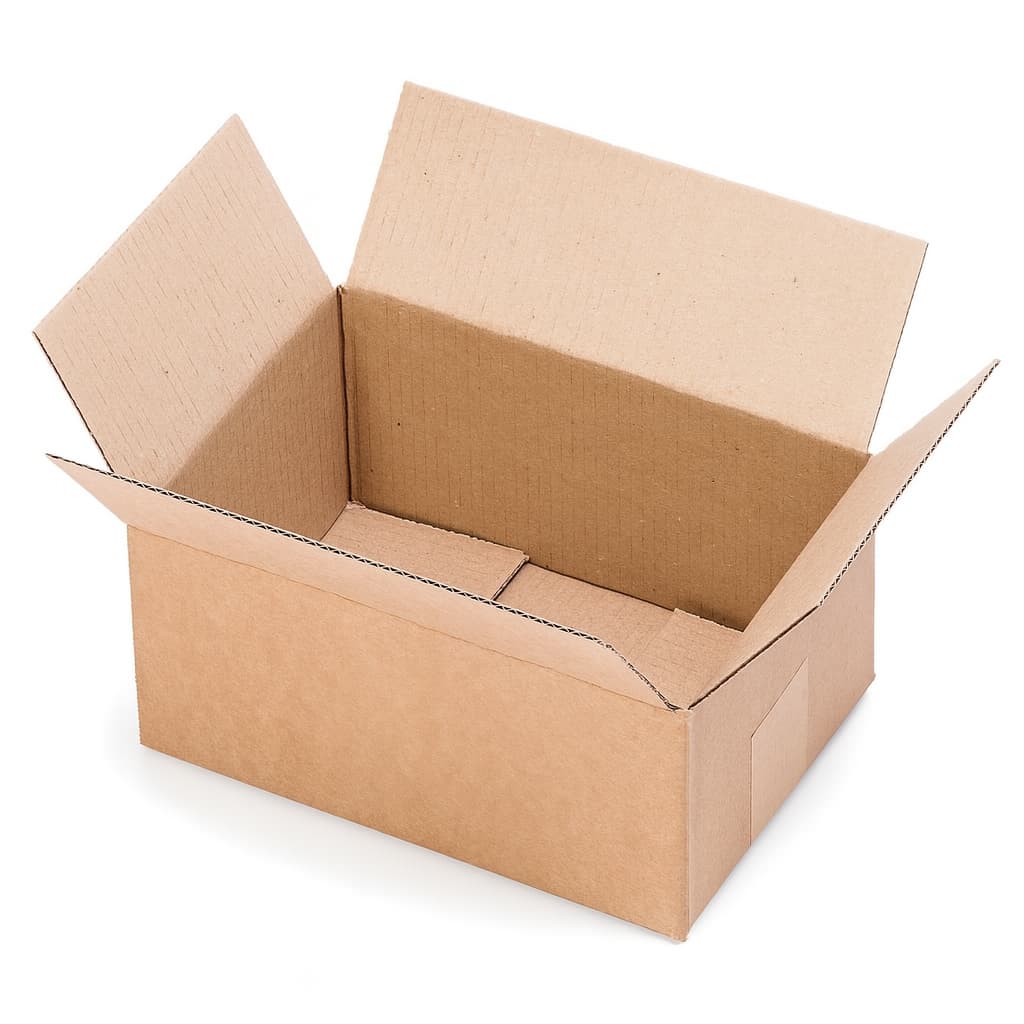
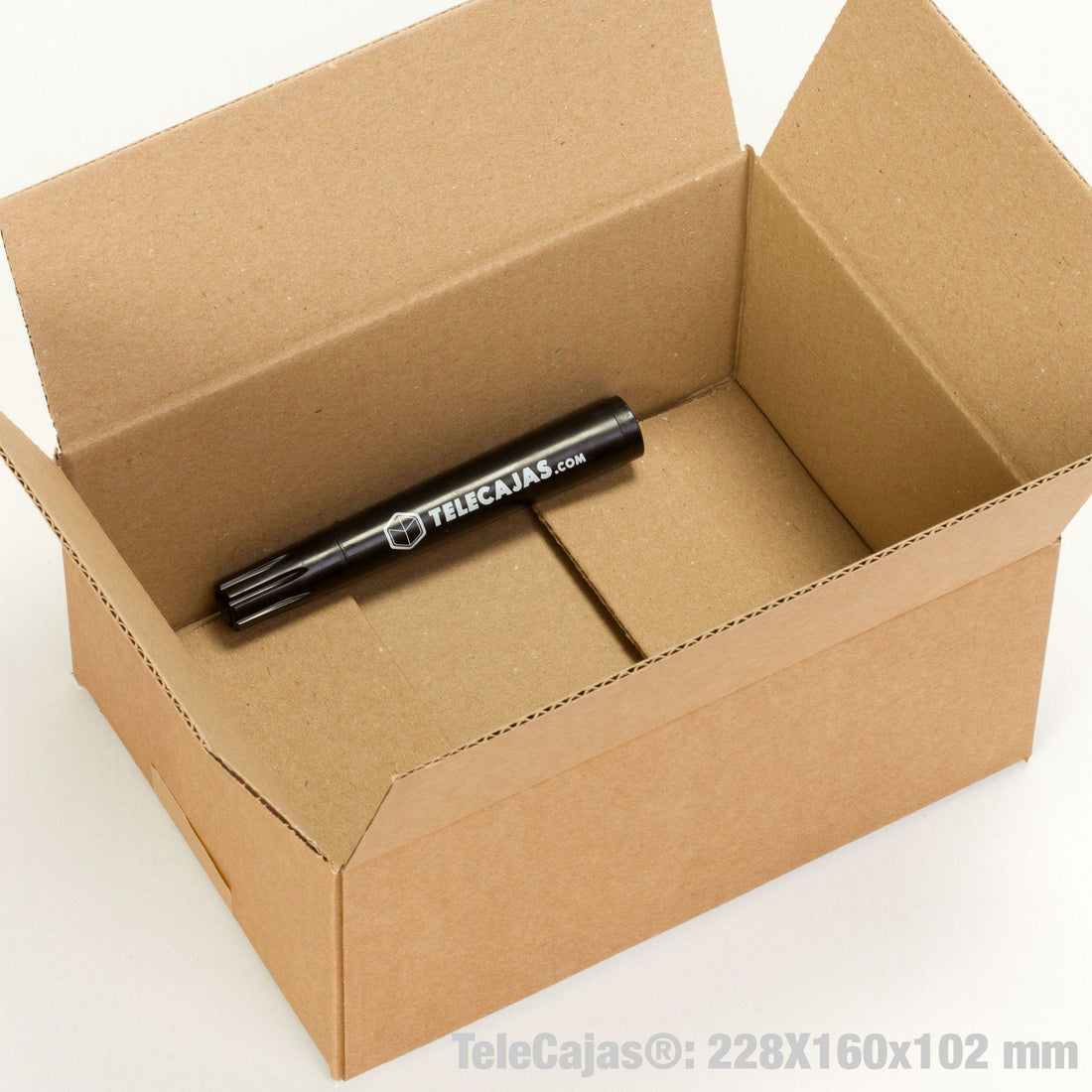
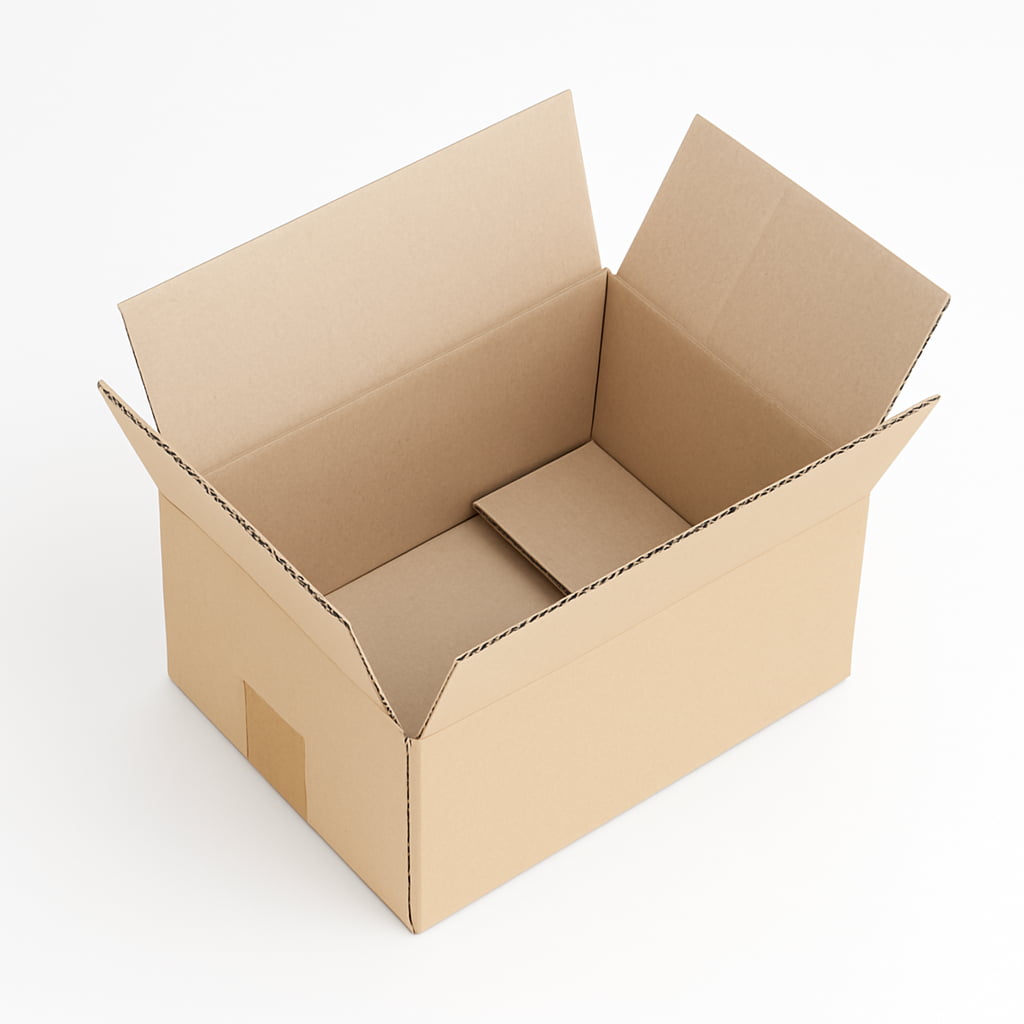
It seems silly, right? You just grab a measuring tape and that's it. Well, it's one of the most common mistakes we see: boxes that arrive and don't fit on the shelf, products that don't fit by half a centimeter, orders returned due to confusing the order of measurements.
Properly measuring a box has three rules. They can be learned in two minutes and will save you headaches — and money, because the box's size ultimately defines what you pay for each shipment.
If you already know what you're looking for, here are our cardboard boxes in over 40 sizes.

Rule 1: The order is length × width × height
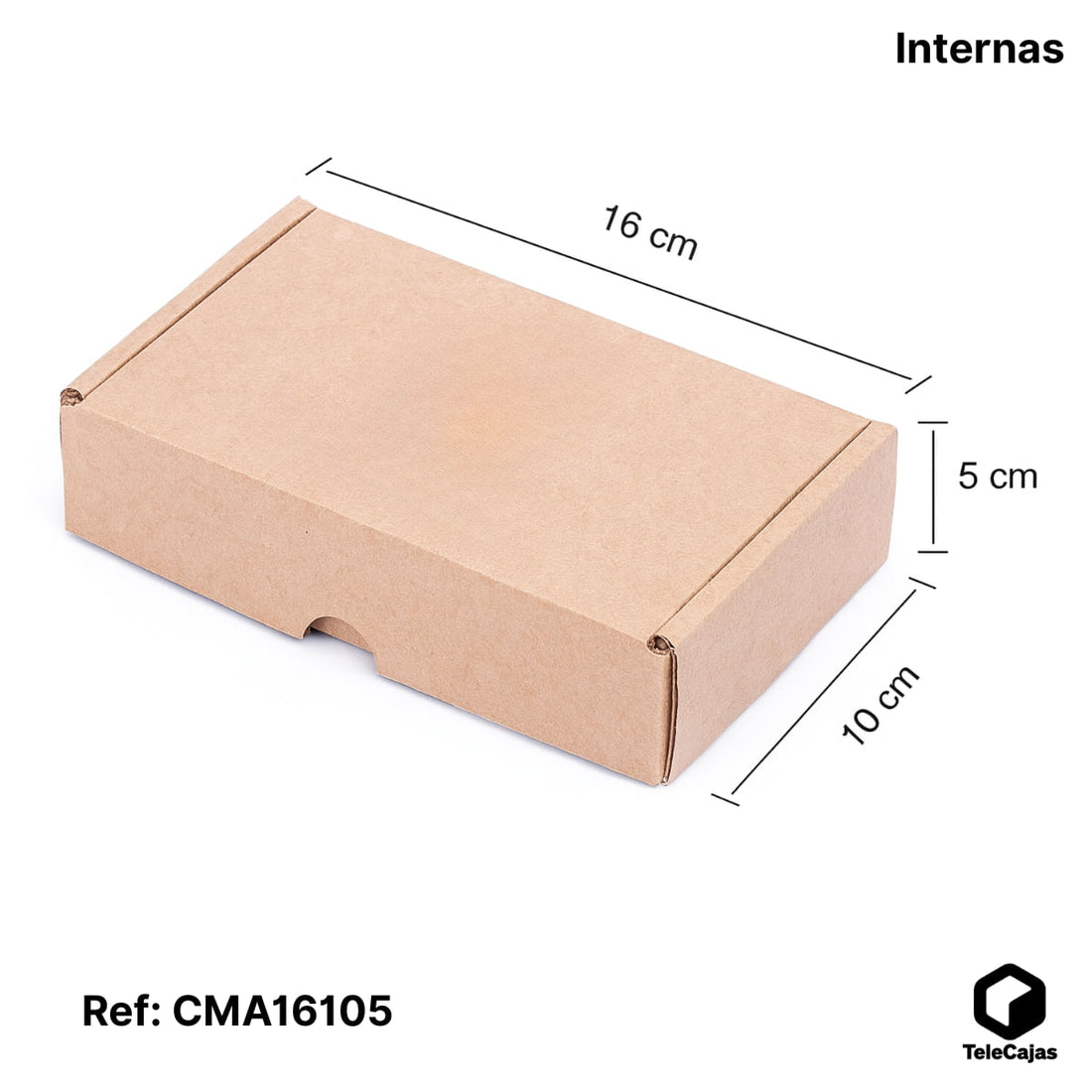
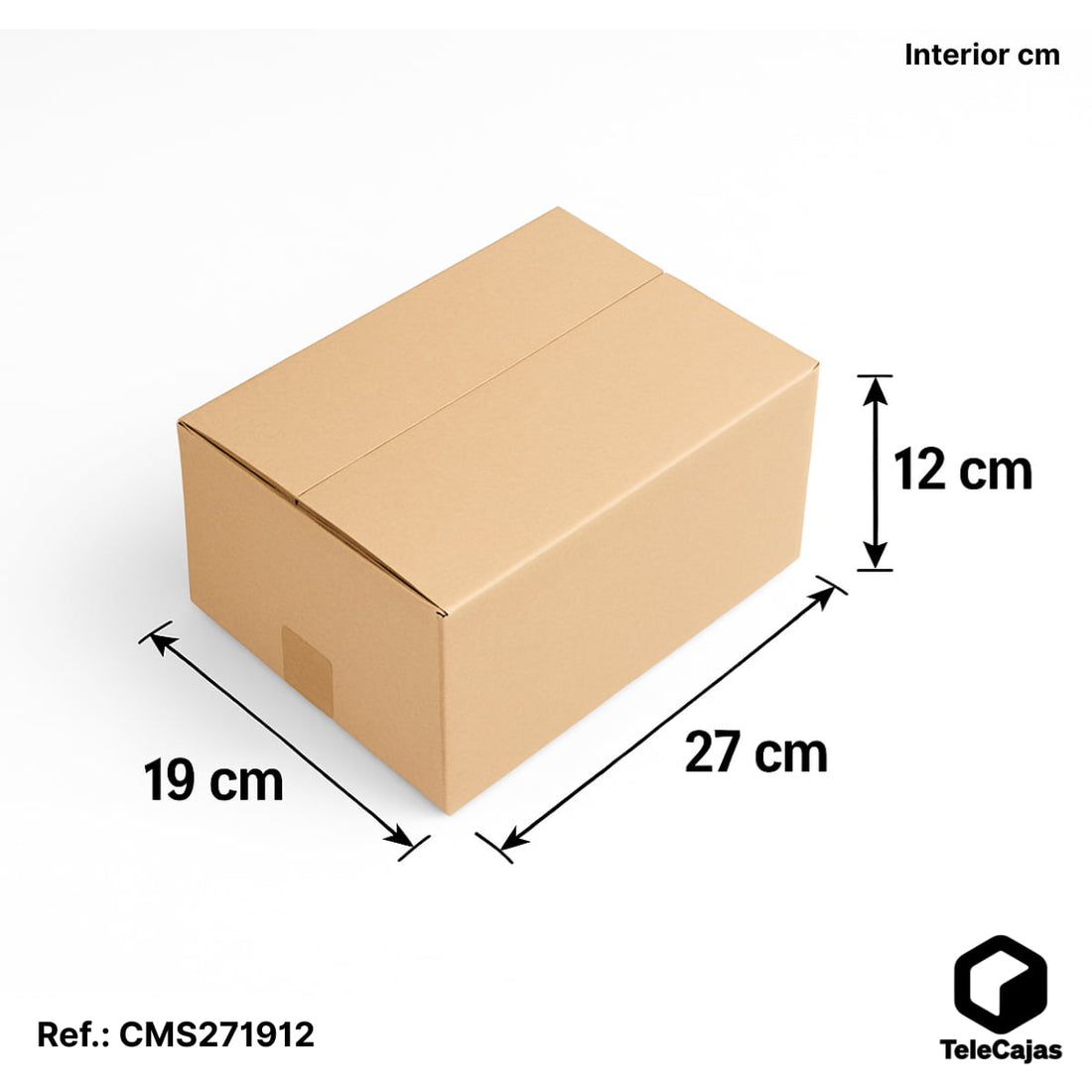
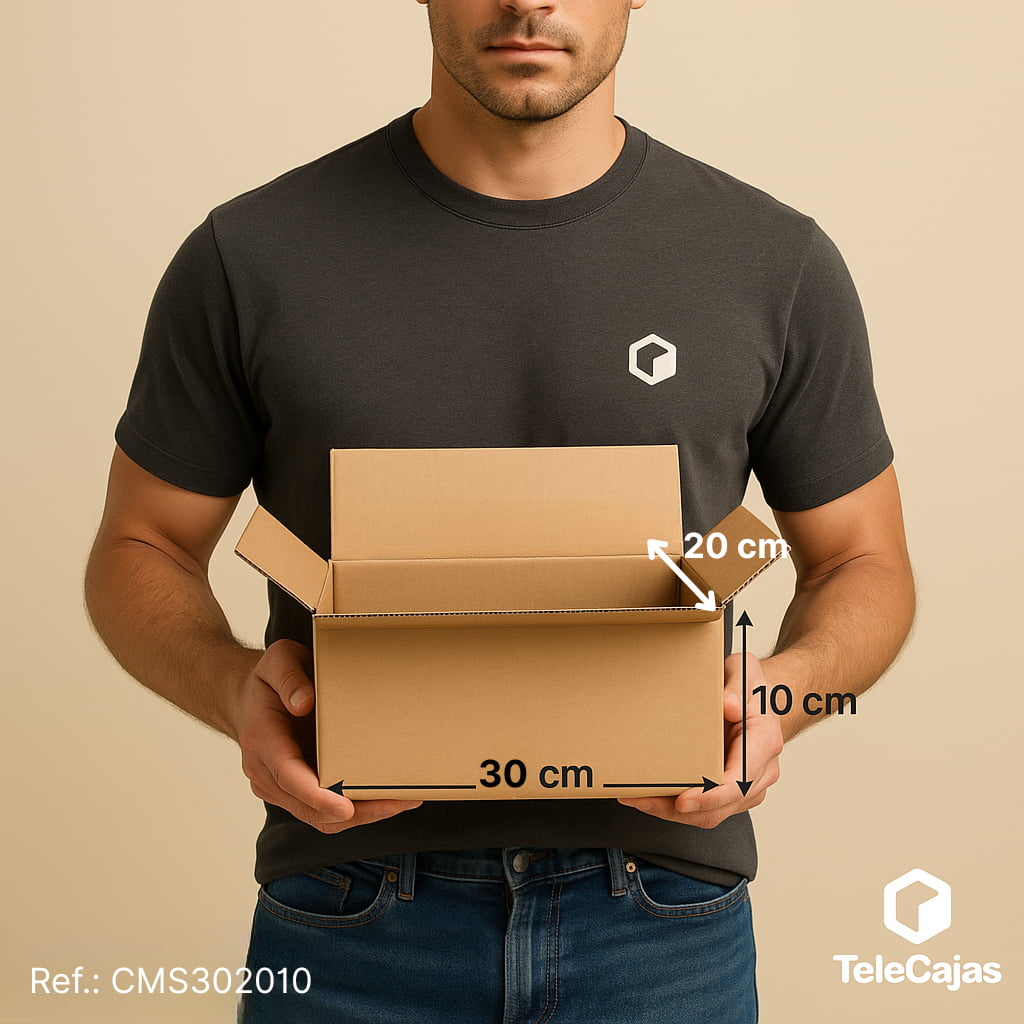
In the packaging industry, measurements are always given in this order: length × width × height (L × W × H).
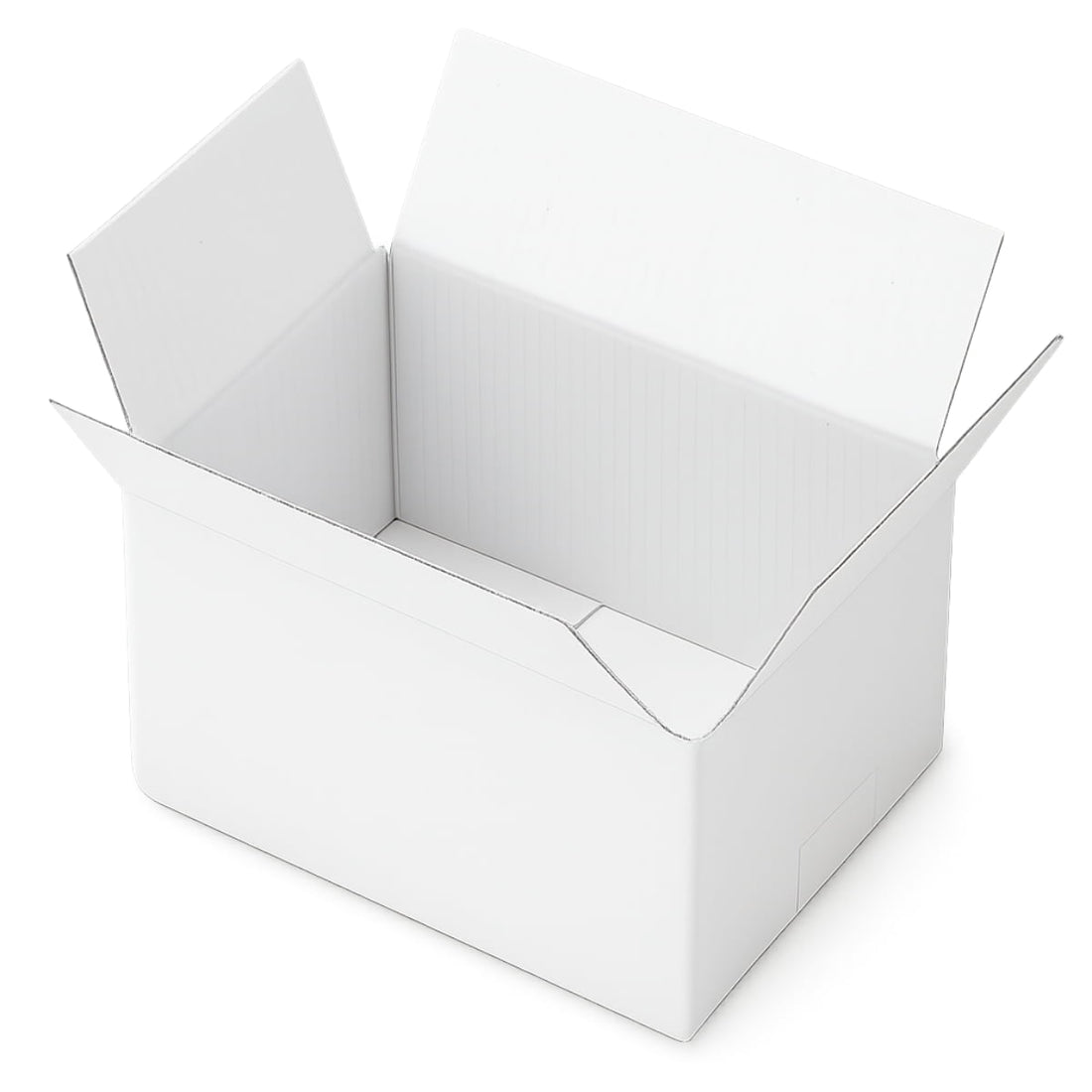
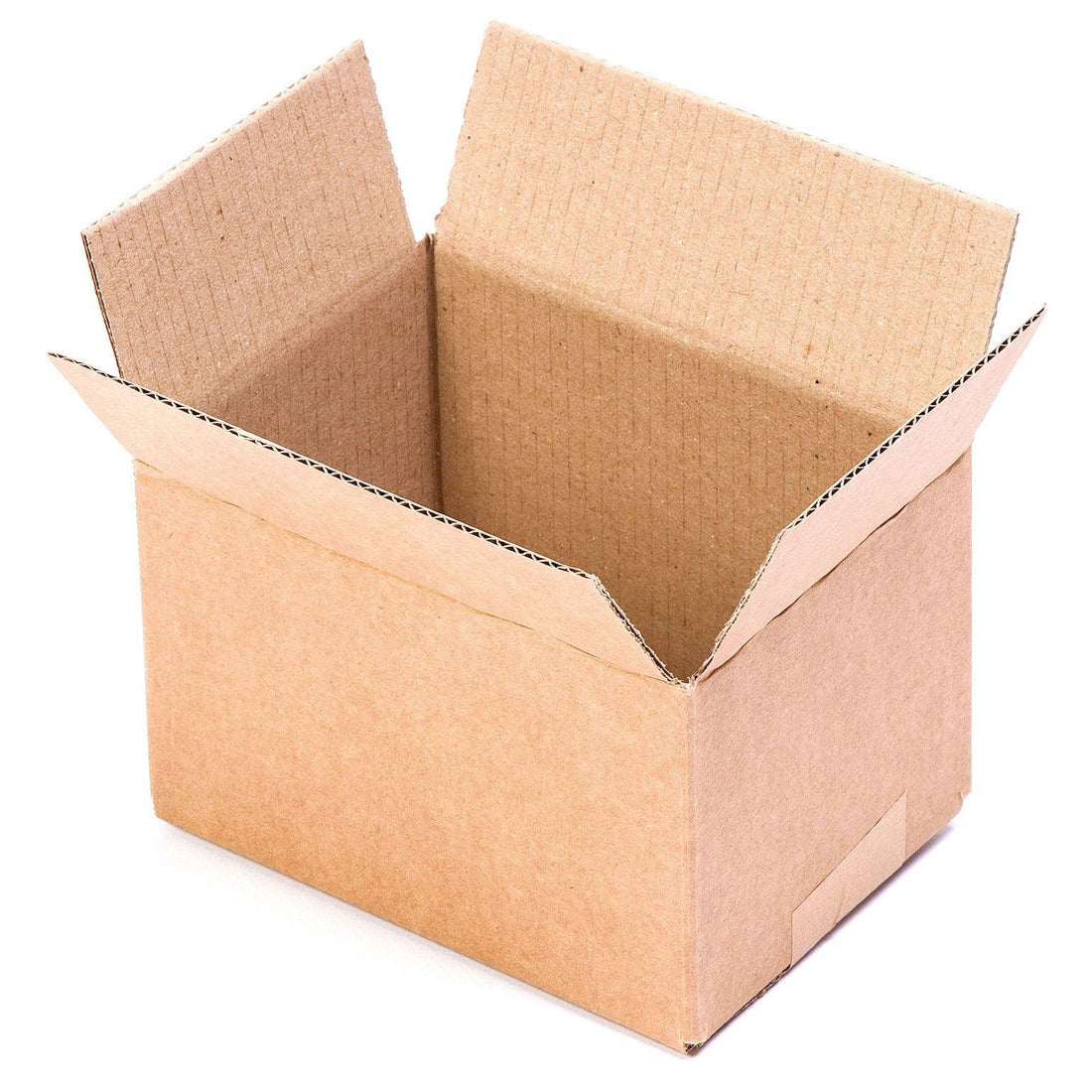
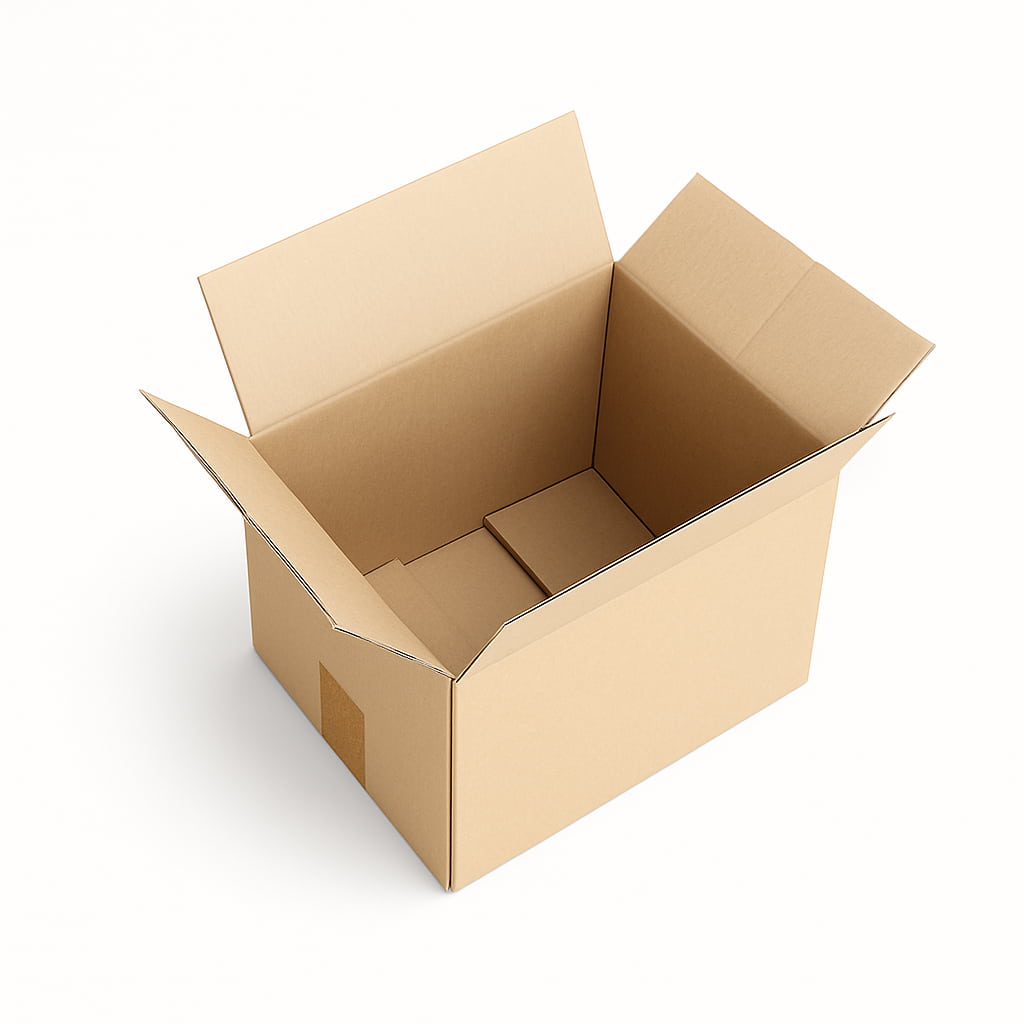
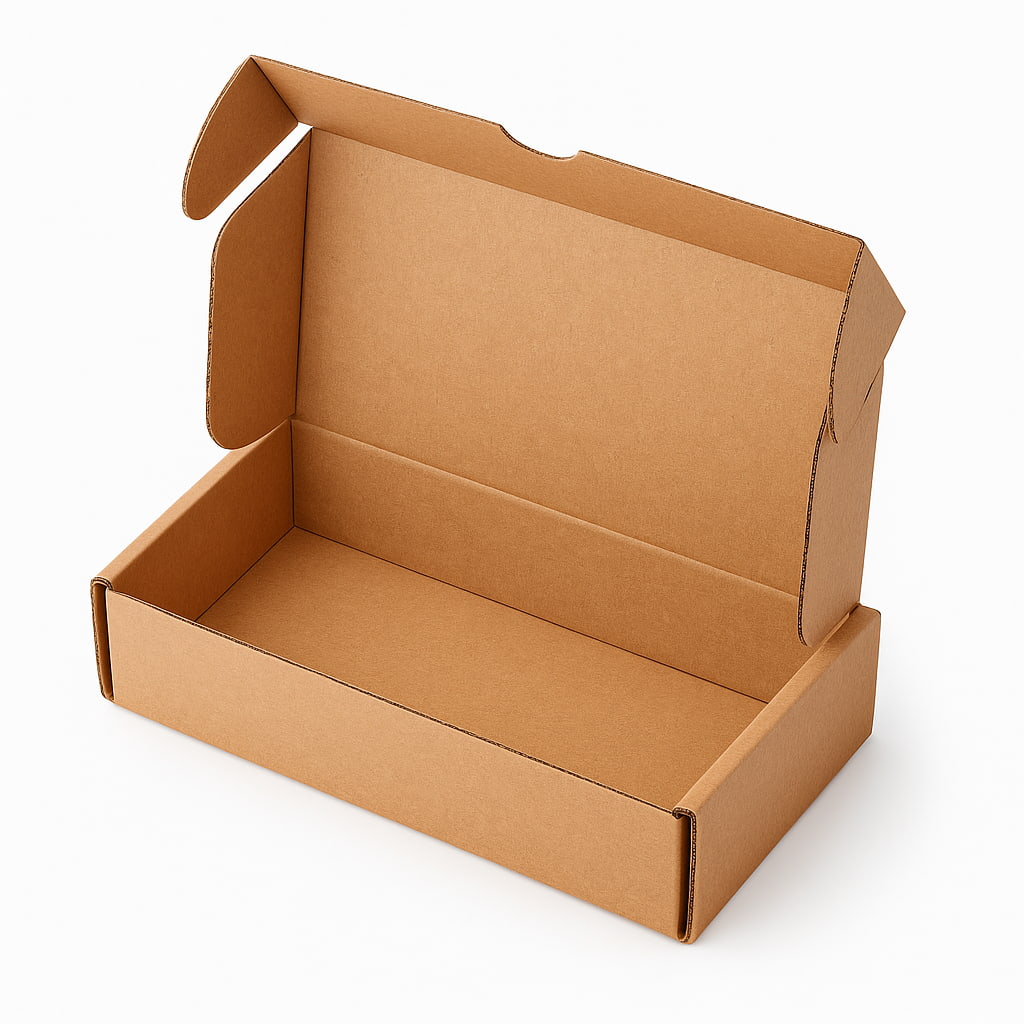
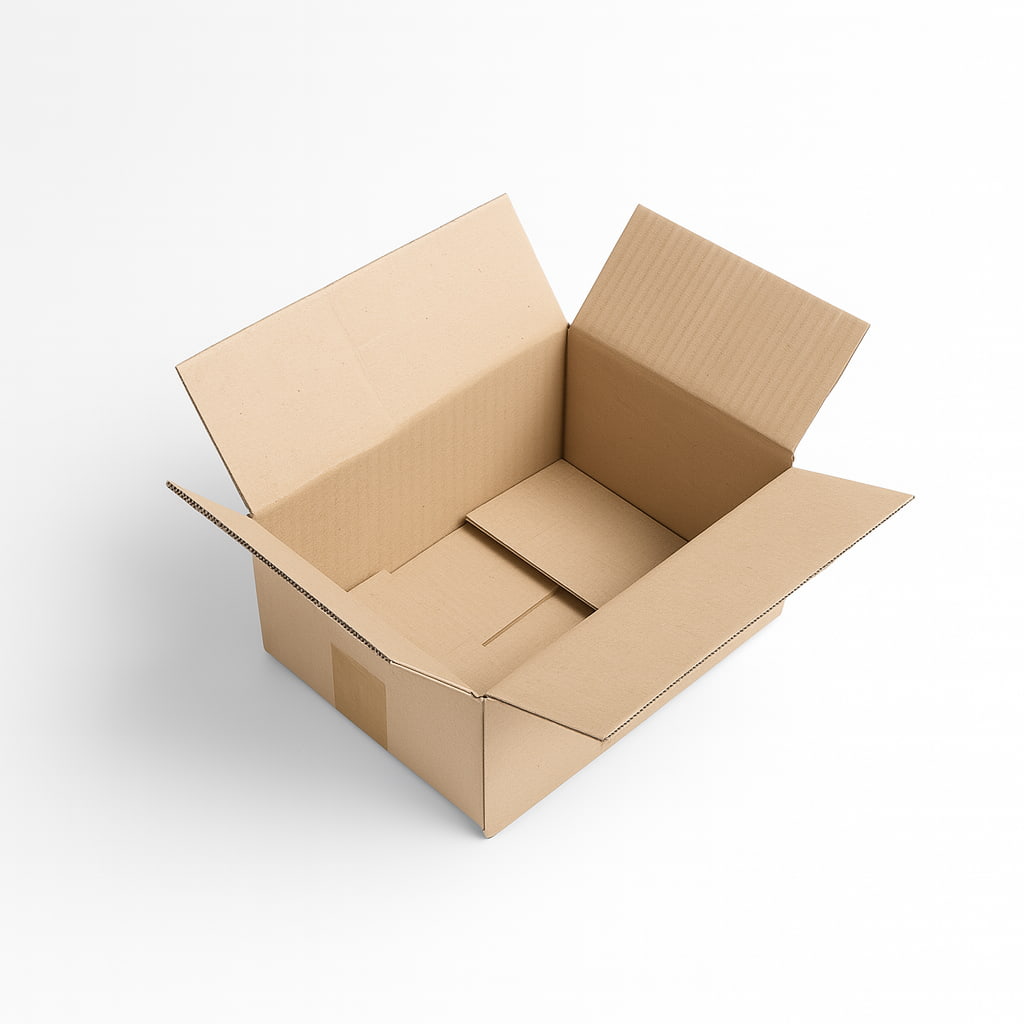
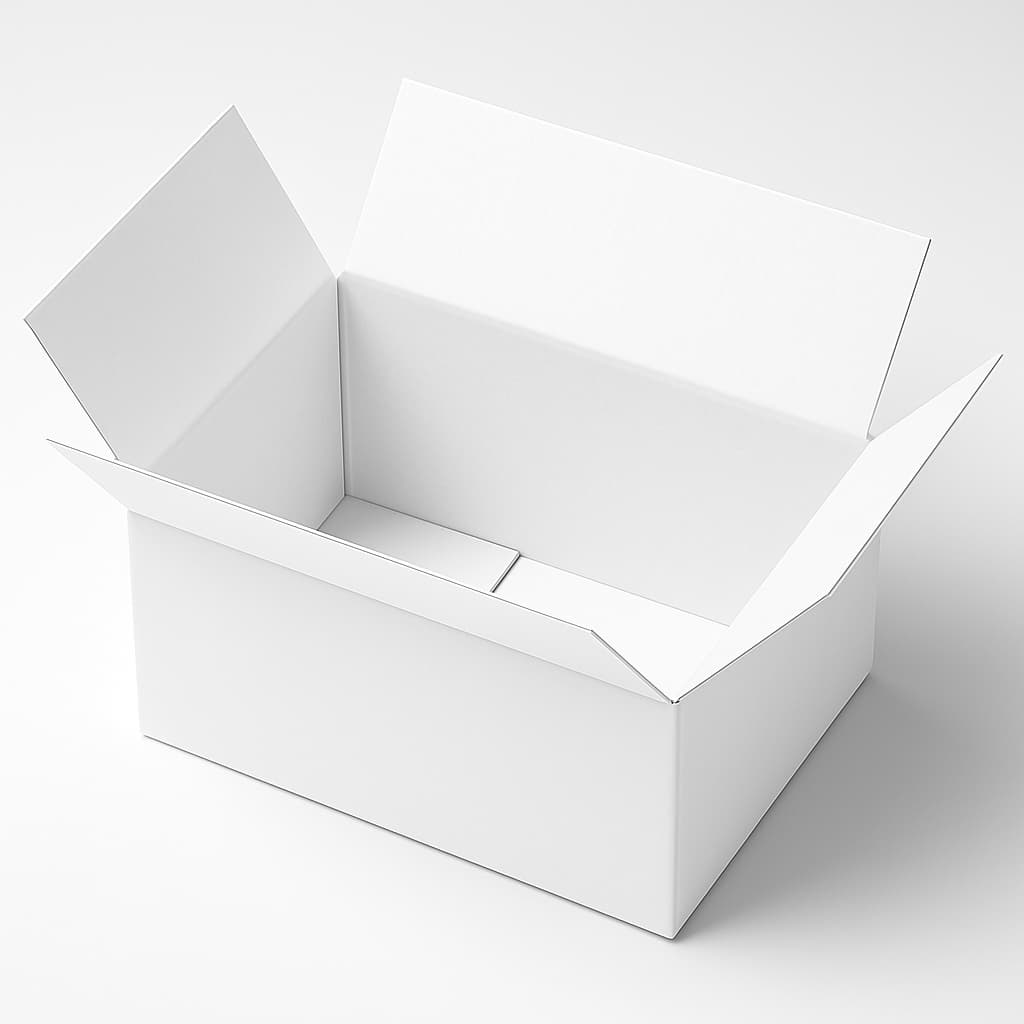
With the box resting on its base and the opening facing upwards:
- Length: the longer side of the base.
- Width: the shorter side of the base.
- Height: from the base to the opening.
A "60×40×40" box measures 60 cm long, 40 cm wide, and 40 cm high. If you stand it "upright" upon receiving it, your perception will change, but the nomenclature doesn't: the opening dictates the orientation.
Rule 2: Interior for the product, exterior for transport
Here's the half-centimeter that ruins orders.
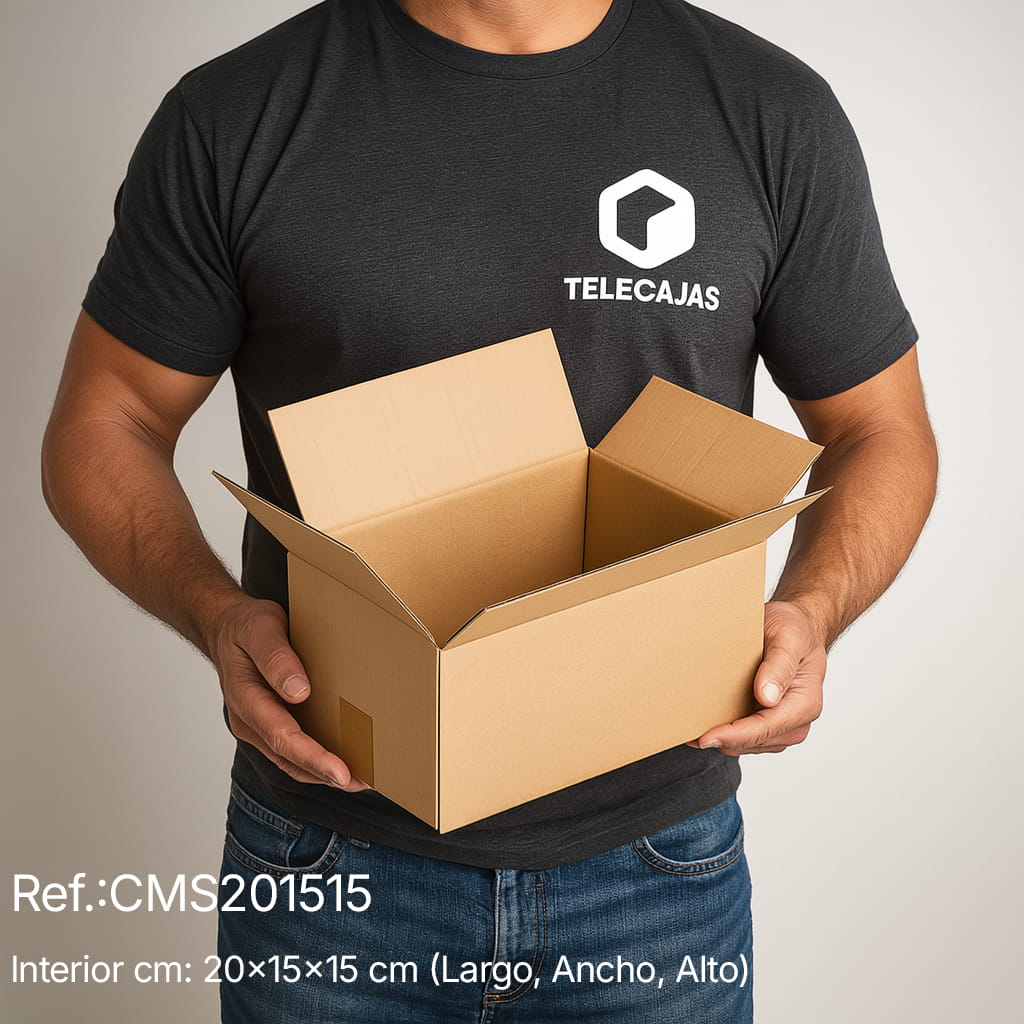
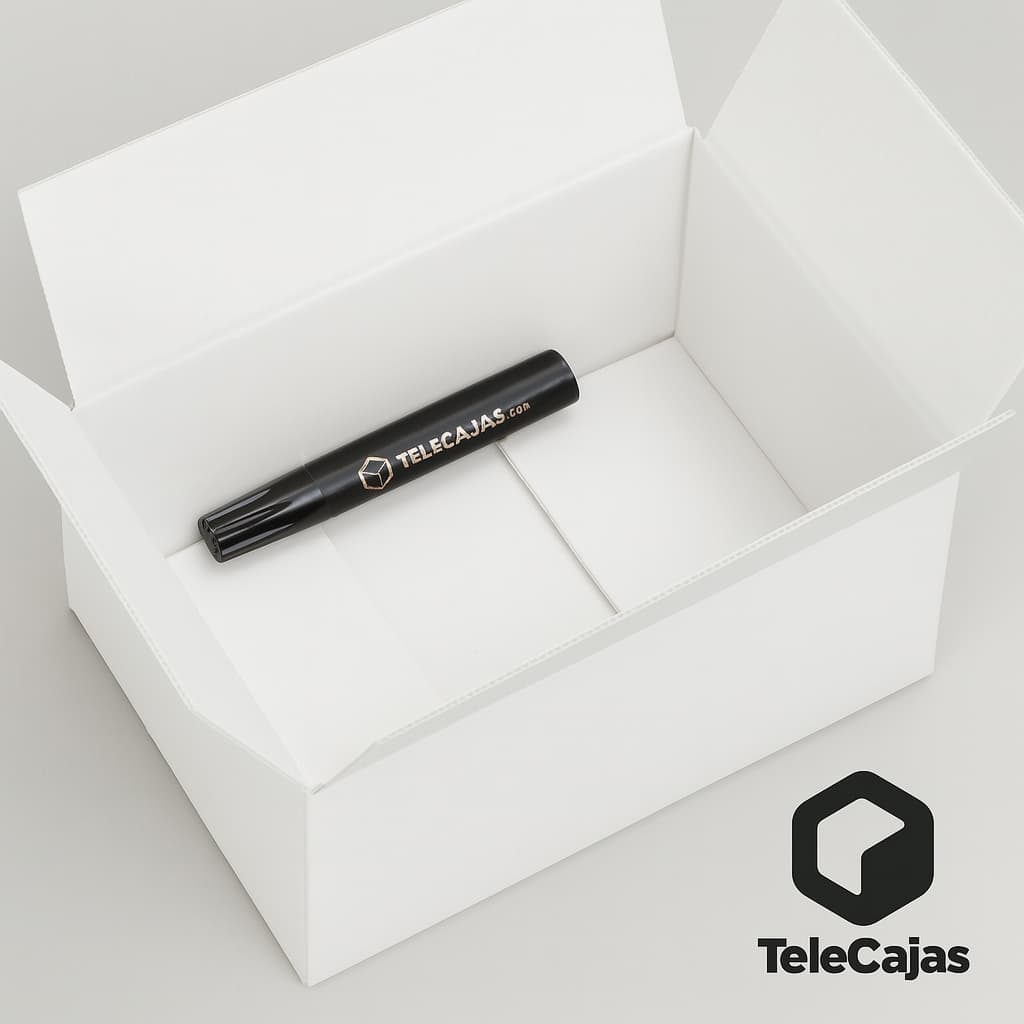
A box's measurements can be interior (the usable space, what fits inside) or exterior (what the assembled box occupies). The difference is the thickness of the cardboard: about 3-4 mm per wall for single-wall and 6-8 mm for double-wall. In a box, that easily adds up to 1-1.5 cm per dimension.
The practical rule:
- Want to know if your product fits? Look at the interior measurements.
- Want to know how much you'll pay for shipping or if it fits on your shelf? Look at the exterior measurements — the carrier always measures from the outside.
At TeleCajas, we indicate the measurements in each product description; if in doubt, ask us, and we'll confirm the one you need.

Rule 3: Measure the product, don't eyeball it
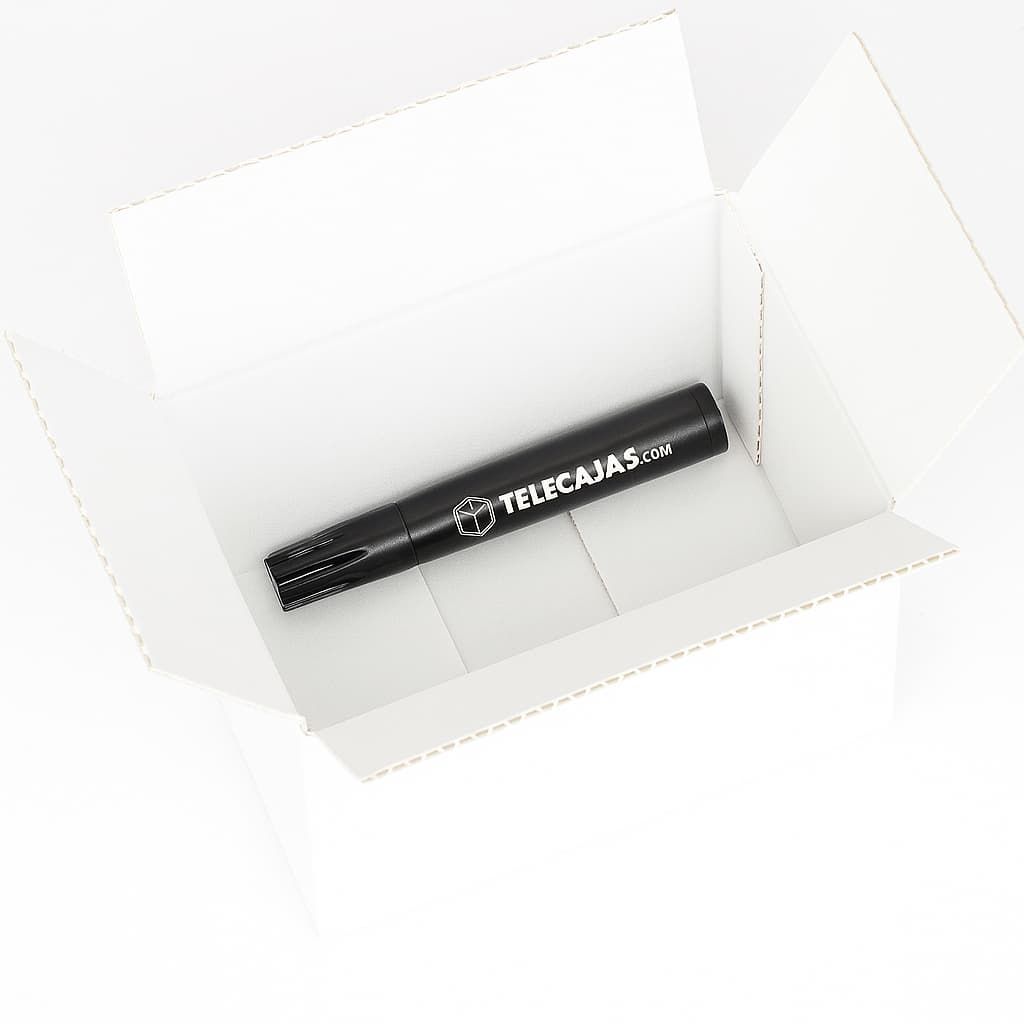
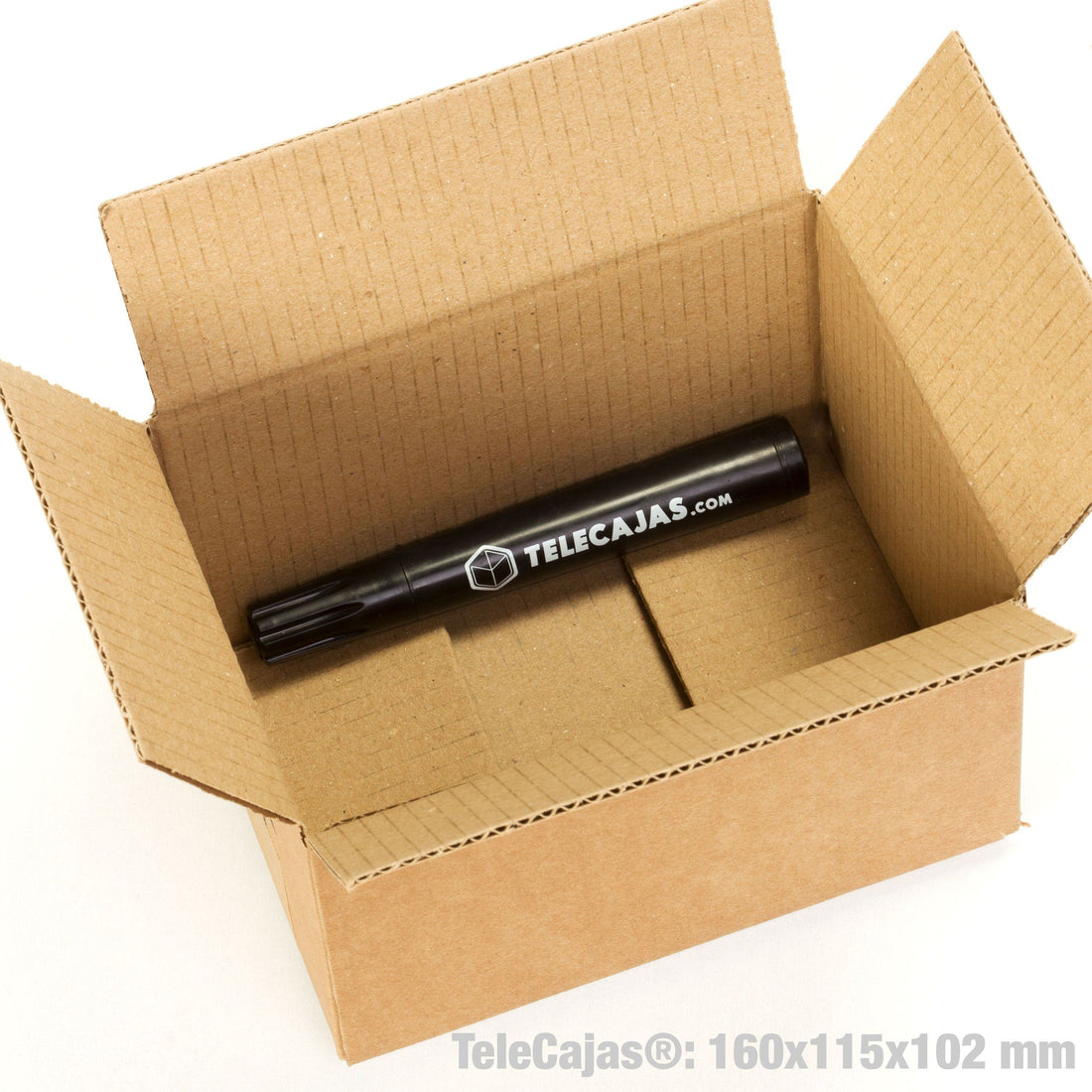
To choose a box, measure your product in its three maximum dimensions — including handles, caps, and protrusions — and add allowance as appropriate:
- Fragile product: add 2-3 cm per side for protective material. You have options in filling and protection.
- Sturdy product (clothes, books): choose the tightest possible box. Less filling, less volumetric weight, lower cost.
- Several products per box: arrange them on a table and measure the entire composition. Mental calculations can be misleading.
The four mistakes we see every week
- Confusing the order and ending up with a "sideways" box: 40×30×60 is not the same as 60×40×30.
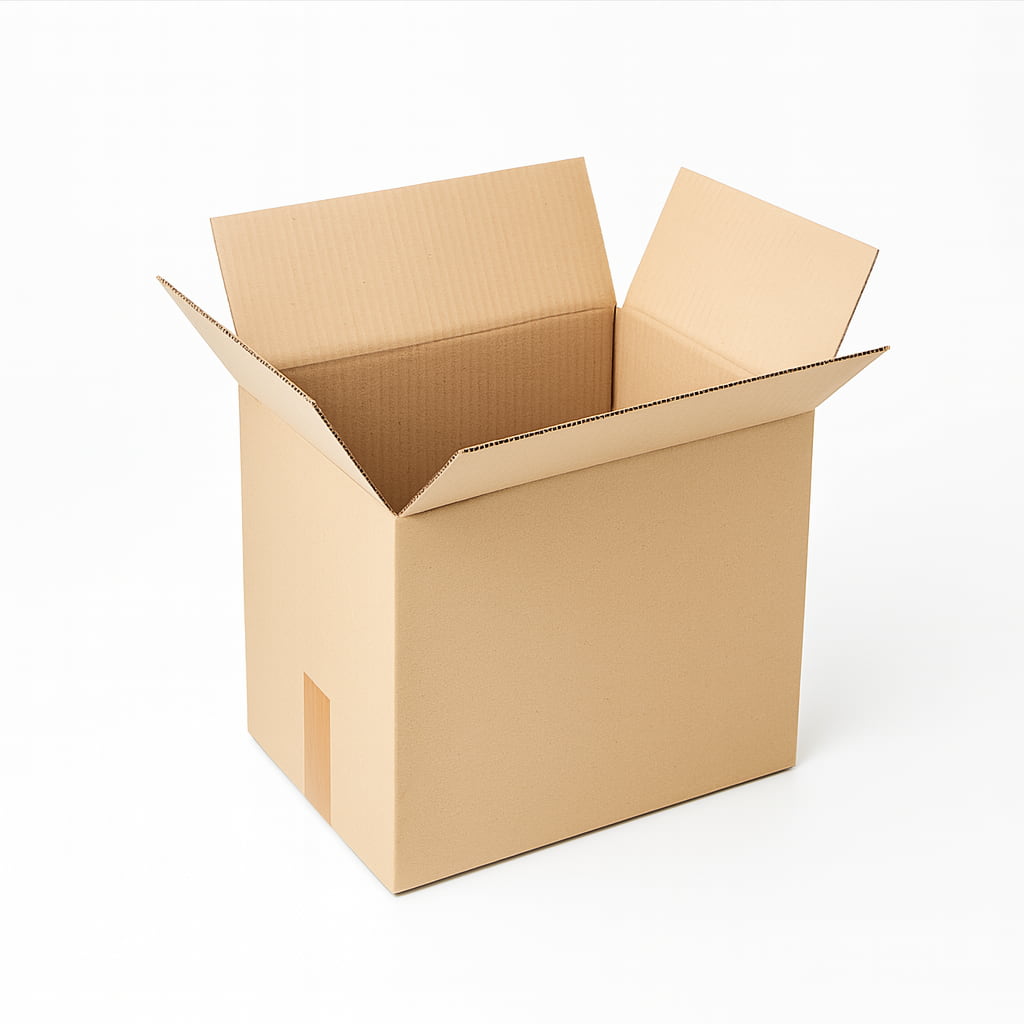
- Measuring with the flaps open and counting their height. The height is measured with the box closed.
- Ignoring the cardboard thickness when the fit is tight — the classic "doesn't fit by 5 millimeters."
- Ordering by liters or volumes without checking dimensions. Two boxes with the same volume can fit very different things; if you need to calculate volumes, use our box volume calculator.

From measurement to the specific box
With the three dimensions clear, choosing is easy: consult our guide to standard box sizes and measurements to see which size fits each use. And if the content is heavy, first check how much weight each type of box can hold.
Frequently Asked Questions
In what order are box measurements given?
Length × width × height, with the box resting on its base and the opening facing upwards. The length and width are the sides of the base (longer and shorter); the height goes from the base to the opening.
Are box measurements interior or exterior?
It depends on the manufacturer, so check the product description. Interior measurements tell you what fits inside; exterior measurements tell you what the box occupies. The difference is the cardboard thickness: up to 1.5 cm per dimension for double-wall.
How much clearance should I leave between the product and the box?
For fragile items, 2-3 cm per side for padding. For sturdy products, as little as possible: air is paid for in shipping, and internal movement causes more damage than impacts.
What happens if the box is too big?
You pay more volumetric weight, use more filling, and the package travels worse: the contents move, and a half-empty box is more likely to be crushed when stacked.
Doubts about your measurement?
Send us your product's measurements via WhatsApp (+34 665 53 23 58), and we'll tell you which of our more than 40 box sizes best fits. Shipping in 24-48 hours in mainland Spain, Balearic Islands, and Portugal, free from €50.